CERVICAL LAMINECTOMY
What is a cervical laminectomy?
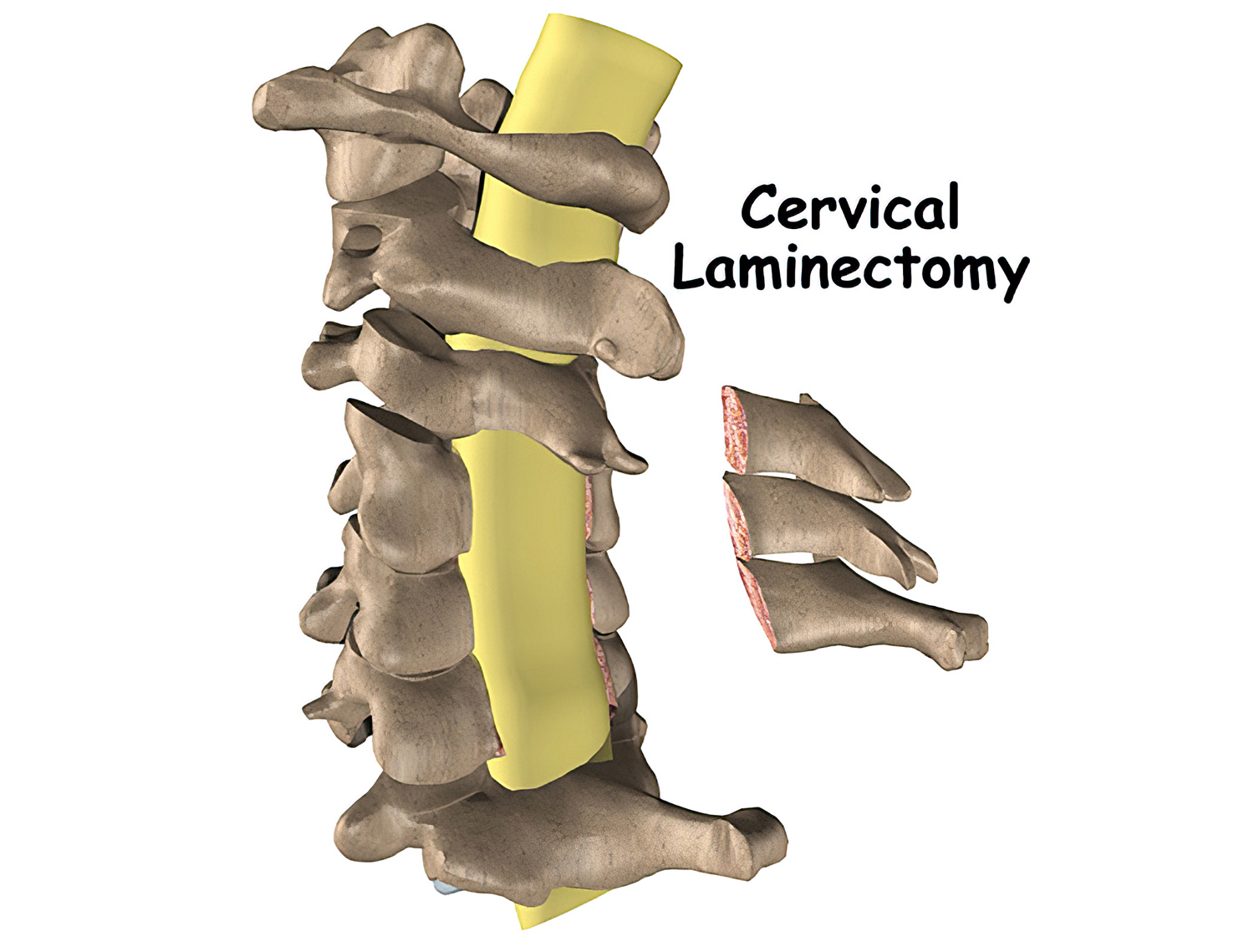
A cervical laminectomy is a surgical procedure to remove the back part of the vertebrae covering the spinal canal, known as the lamina.
This type of surgery is often known as a decompression surgery, designed to relieve areas of compression on the nerves surrounding your spine or the spinal cord itself.
Why might I need a cervical laminectomy?
The team at TriMed Spine & Joint may recommend a cervical laminectomy if you have bone spurs that irritate or compress the spinal nerves, or if you have stenosis, a condition that causes a narrowing in your spinal canal.
As additional pressure is put on your nerves, you experience more frequent pain or numbness in your back. In some cases, compressed nerves can also cause pain and weakness to radiate down into your arms and legs.
Cervical laminectomy surgery can also be an effective treatment option for spinal arthritis that breaks down the structure of your vertebrae.
If you don’t receive adequate relief from pain or mobility issues after treatment with physical therapy or epidural injections, surgery may be right for you.
What happens during a cervical laminectomy?
You receive general anesthesia for the procedure to keep you comfortable. Your surgeon makes an incision in your back over the affected vertebrae. Using specialized surgical instruments, they remove the lamina and any herniated or loose pieces of the vertebrae.
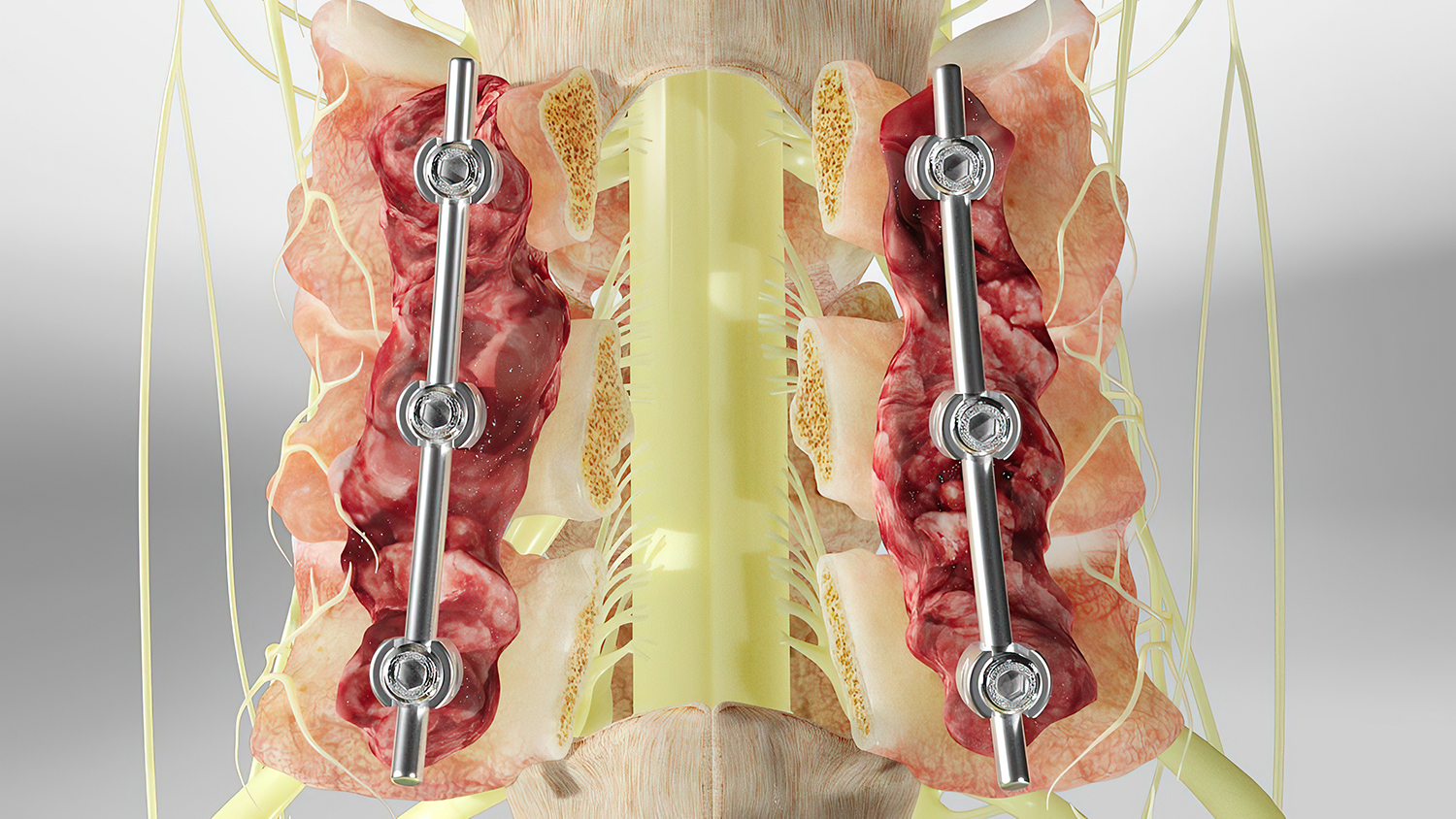
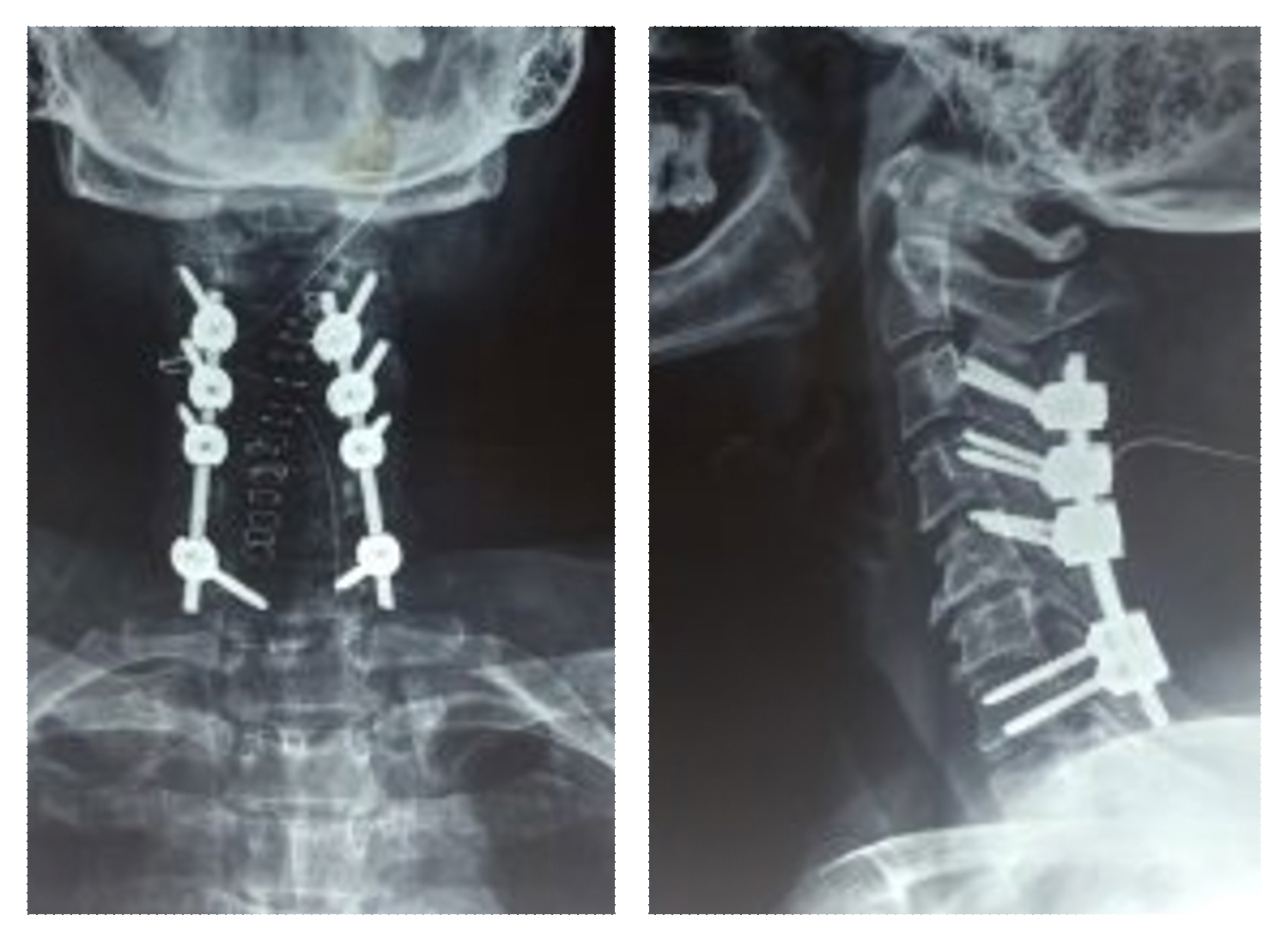
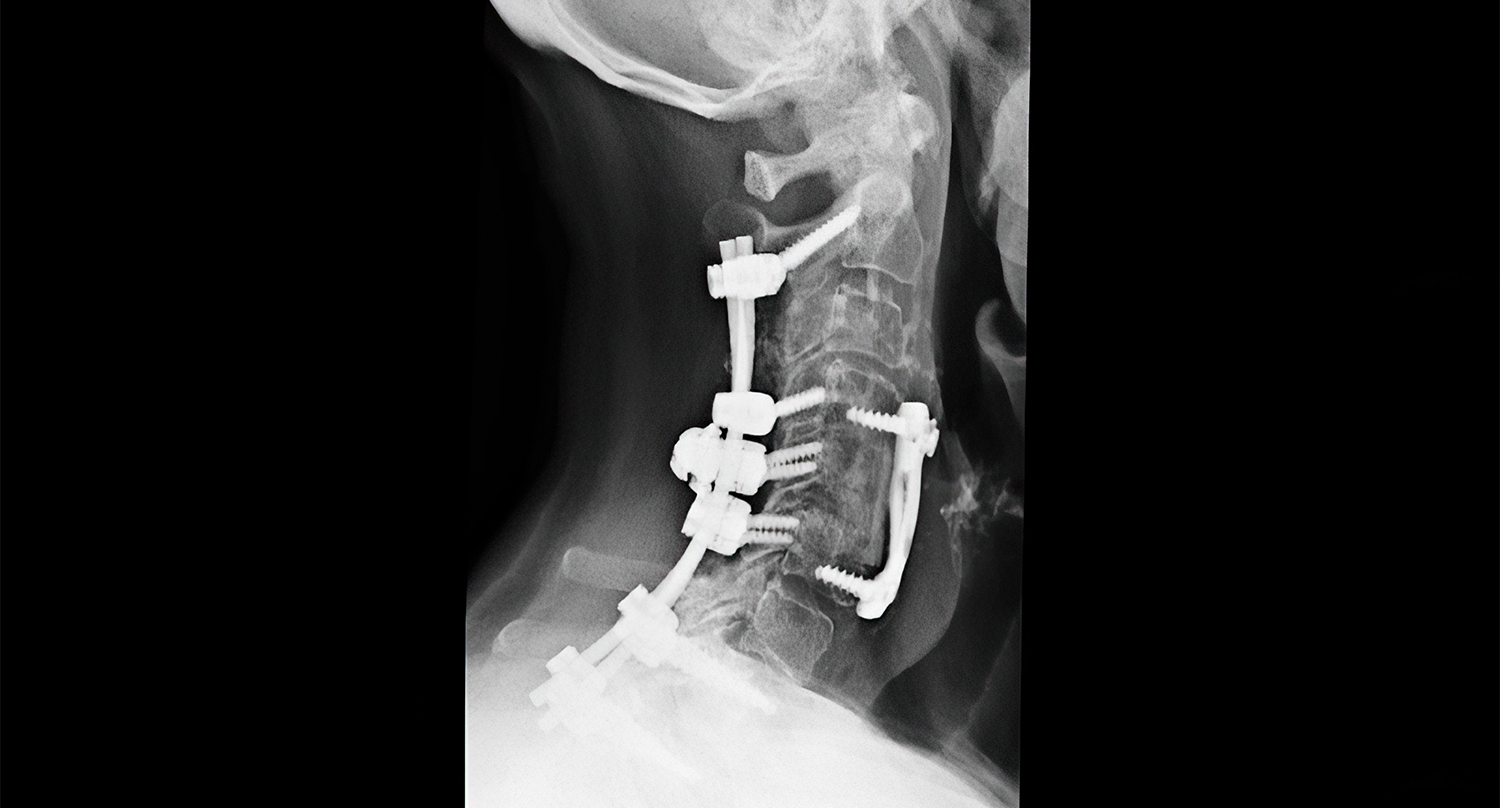
If any of your vertebrae have slipped over one another, the vertebra is repositioned and a spinal fusion is performed, joining two or more vertebrae together into one solid bone.
After surgery, you need to recover from anesthesia before being sent home to rest. You need to limit certain movements, including lifting and strenuous exercise, for 2-3 weeks. You’ll be instructed as to when you can resume your usual activities based on how fast you heal from surgery.
What kind of results can I expect after a cervical laminectomy?
For many people, a cervical laminectomy significantly reduces pain in the affected vertebrae soon after surgery. You should also enjoy a decrease in radiating pain down into your arms and legs.
If you’re receiving surgery because of arthritis, a cervical laminectomy may help slow down the progression of the disease.
Learn more about the benefits of a cervical laminectomy by calling the office or using the online booking feature to schedule a consultation.
More Questions Patients Ask
What are the risks of a cervical laminectomy?
Risks include infection, bleeding, cerebrospinal fluid leak from a dural tear, nerve or spinal cord injury, and persistence of some symptoms. Removing the lamina also removes part of the posterior support of the spine, so in some patients the neck can lose alignment over time, which is why a fusion is sometimes performed alongside the decompression.
What symptoms is a laminectomy meant to relieve?
It is aimed at the symptoms of spinal cord or nerve compression, such as arm pain, numbness, hand clumsiness, weakness and difficulty with balance or walking. It is better at halting progression and relieving nerve symptoms than at eliminating neck pain itself. If your main complaint is neck pain without nerve findings, a laminectomy is usually not the answer.
Is DRX9000 spinal decompression an alternative to this surgery?
Not when the compression is caused by bone. The DRX9000 is designed to unload spinal discs, so it can be appropriate for disc-related compression, but it does not remove overgrown bone or a thickened ligament, which is what a laminectomy addresses. Where imaging shows bony narrowing or spinal cord compression with neurological signs, decompression surgery and decompression therapy are not interchangeable, and we will say so.
What is tried before surgery?
Before any spinal operation is considered, we work through the non-surgical options that apply to your findings, which can include chiropractic care, orthopedic physical therapy, medication, injection-based pain management and, for appropriate disc cases, DRX9000 spinal decompression at our Boca Raton office at 307 Via De Palmas. Surgery is a reasonable next step when those measures have been given a fair trial, or when your findings make waiting the riskier choice.