TREATMENTS FOR NECK PAIN
Neck pain treatment in Boca Raton at TriMed Spine & Joint combines chiropractic adjustment, postural and ergonomic correction, manual therapies such as massage and trigger point therapy, therapeutic exercise and stretching, physical therapy modalities, and diet and nutrition support, with non-surgical spinal decompression added when a cervical disc is involved and interventional pain management procedures when the response to conservative care is limited. Treatment works best when it identifies and corrects the underlying cause rather than the symptom alone, which is why the cause is established before the plan is written.
Identifying The Cause
The first step in treating neck pain is to determine what has and is causing the neck pain. First the causes and contributing factors are identified. A successful treatment plan can then be structured to eliminate pain and achieve the goals of the patient.
The Treatment
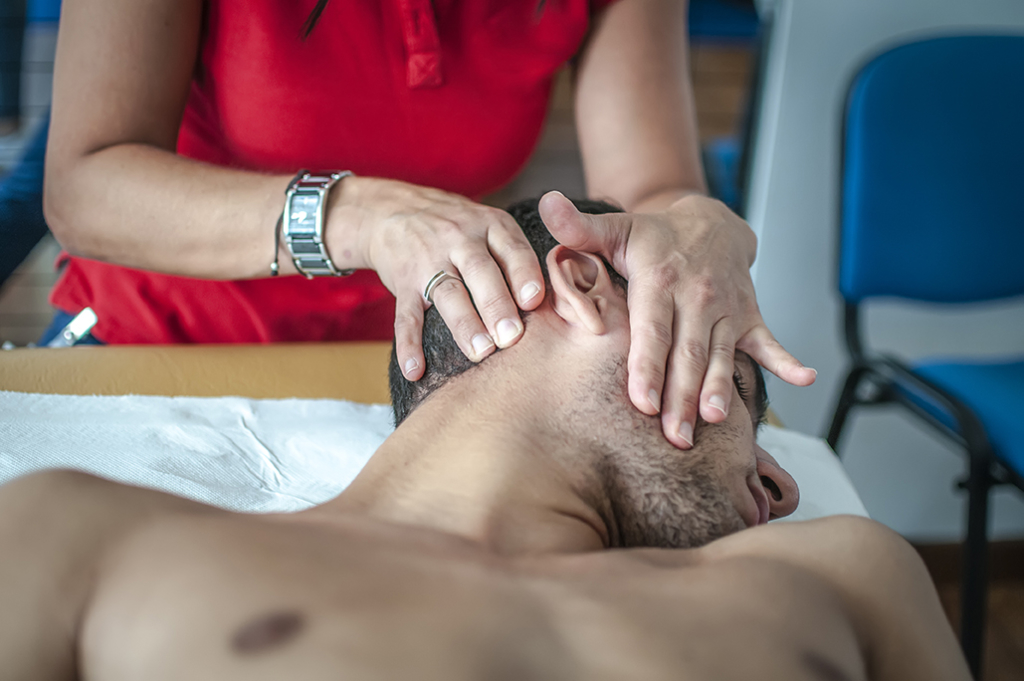
Chiropractic treatments for neck pain incorporate the use of many therapies, all of which are gentle, safe, natural, and noninvasive. However, the true power of chiropractic care is found in the chiropractic adjustment. It is the most effective and essential treatment employed by the chiropractor. The reason? Quite simply, spinal adjustment corrects the major problems that the majority of neck pain sufferers have.
Most individuals experiencing neck pain have either:
- Suffered an acute accident such as whiplash. In these cases the structural integrity of the neck has been altered and tissue damage has occurred.
- Been exposed to long periods of adverse neck and spinal stresses. These most commonly come from bad or improper postural habits and techniques.
In both cases, the spinal components are almost always structurally misaligned and biomechanically faulty. In other words, the vertebrae and their supporting structures have lost their “optimal” positioning. Their movements are now occurring in an inappropriate and stressful manner.
There is only one effective and long-term way to correct structural malpositions and improper biomechanics. That is to realign the spinal segments and restore normalized motion. This is the job of spinal adjustment. The spinal adjustment restores positioning and motion. It also produces a reflexive relief of pain and a reduction in muscle spasms. This is due to the high number of mechanoreceptors in the joints of the vertebrae. Chiropractic adjustment stimulates them. Research has shown what happens when these mechanoreceptors are stimulated. Signals are sent to the brain that shut down pain signals and result in muscle relaxation. Also, the adjustment helps to eliminate inflammation through the introduction of motion; inflammatory chemicals are known irritates to pain fibers.
Proper Habits and Techniques
Another key ingredient to a successful neck pain treatment plan includes the learning of proper postural habits and other techniques. Proper posture is a significant factor in the health of the neck and back. It should always be practiced. Techniques common to daily living and work also play a major role. They affect whether neck pain develops at all. This includes proper lifting techniques, telephone techniques, avoidance of repetitive motions, and much more. We can teach you correct habits and techniques which will protect your neck and back from discomfort and injury. Also, be sure to check out our “Posture” and “Ergonomics” sections of our site for additional information.
Other Therapies
Other manual therapies may be utilized as well. These include massage, trigger point therapy, proprioceptive neuromuscular facilitation, and acupressure therapy. They assist in the relaxation of cervical muscles and increase cervical spine mobility.
Therapeutic exercises and stretches are commonly prescribed. They assist in the restoration of proper cervical motion and increase cervical muscle strength and coordination. Exercises and stretches are unique in that they can be performed outside the office without the assistance of the doctor.
Physical therapies commonly used by physical therapists may also be employed. These include hot and cold applications, muscle stimulation, interferential therapy, therapeutic ultrasound, and diathermy.
Diet and nutrition also play a key role in the health of the cervical spine. Proper nutrients matter a great deal. Without them, the cervical spine and the rest of the body are less able to remain healthy. They are also less able to heal once injured. If your diet and nutritional status are poor, we can help get you on track.
Healthy Living Tips For Neck and Upper Back Pain
Regular spinal checkups. Periodic spinal adjustments help maintain proper alignment and functioning of the neck and upper back. This minimizes the stresses on structures of the cervical and thoracic spine. Also, keeping the nervous system free from interference ensures proper communication within the body, keeping you happy and healthy.
Practice proper posture, lifting, and ergonomics. Practicing proper posture, lifting techniques and ergonomics is key to reducing neck and back injuries at work and play. It also minimizes future recurrences of past injuries. For more info, check out the “Ergonomics” and “Posture” sections of our site.
Regular exercise. Routine physical activity keeps the heart healthy. It also keeps the spine and the rest of the body strong and healthy. An effective exercise program should consist of a minimum of 3 sessions per week for 40 minutes. Involve friends and family, mix up the activities, keep it fun and stay consistent!
Proper diet and nutrition. Providing your body with the proper fuel increases performance. It reduces the likelihood of injury and sickness and speeds recovery after injury. It also keeps you feeling good. Like the rest of us, you may be finding it difficult to get all the nutrients your body needs. If so, it’s probably time to supplement. For information on nutritional supplements, check out the ” Health Products ” section of our site.
Utilize stress management techniques. Stress is most often carried in the shoulders, upper back, and yes, neck. While stress can’t be totally eliminated there are effective techniques to help bring it under control. Check out the “Wellness Center” for more information on stress management or contact our office for an appointment.
CAUSES OF NECK PAIN
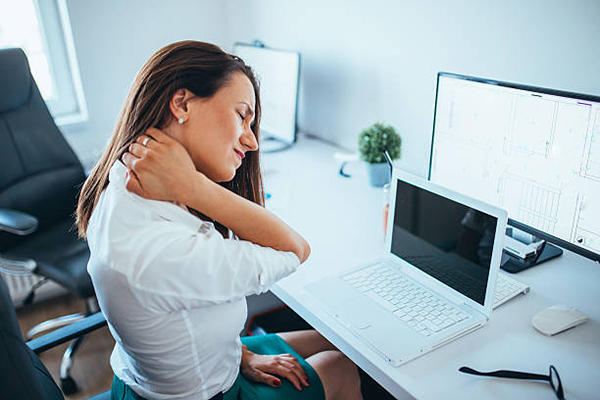
The most common causes of neck pain are poor posture, prolonged sitting and non-ergonomically designed workstations, whiplash-type injuries from car accidents, incomplete rehabilitation of past injuries, and excessive repetitive neck motions. Some causes result from acute injuries which cannot be avoided, such as an automobile accident resulting in a whiplash-type injury. Other causes can be avoided. They result from the use of “bad” or improper habits and techniques, such as poor posture and improper lifting. These “other causes” make up the majority of neck pain causes. They can be effectively treated once the cause or causes are identified. The appropriate measures to avoid these “bad” and improper habits and techniques must then be implemented.
Some of the more common causes of neck pain include:
- Incomplete rehabilitation of past injuries
- Lack of proper and periodic spinal alignments
- Presence of cervical spine subluxations
- Whiplash-type injuries
- Improper workstation setup
- Poor posture
- Prolonged sitting
- Prolonged use of non-ergonomically designed equipment
- Excessive repetitive neck motions
- Improper telephone techniques
- Excessive mental stress
- Physical inactivity
- Poor diet and nutritional practices