EyeBOX / TBI Testing


How EyeBOX Works
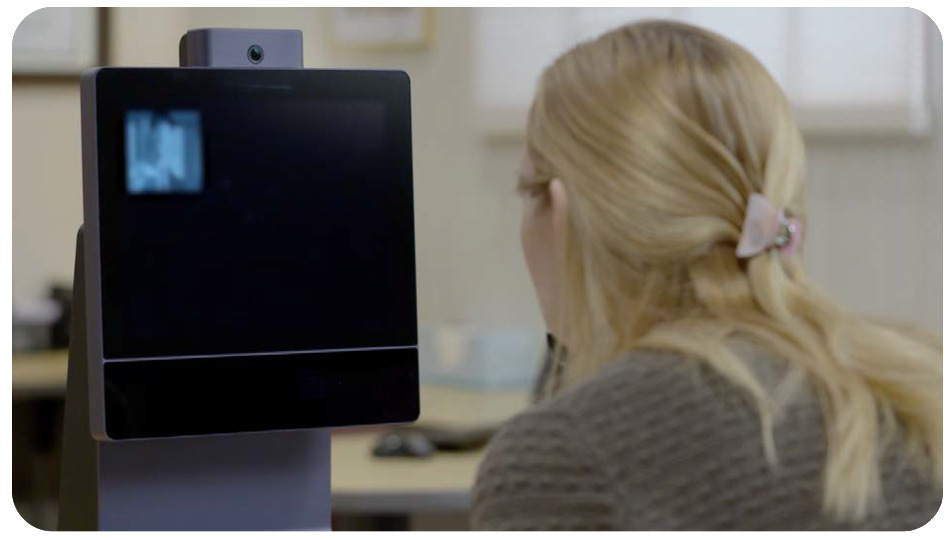
EyeBOX captures 100,000 data points based on subtle eye movements and cranial nerve function, generating the BOX score and report indicating the likelihood of concussion.

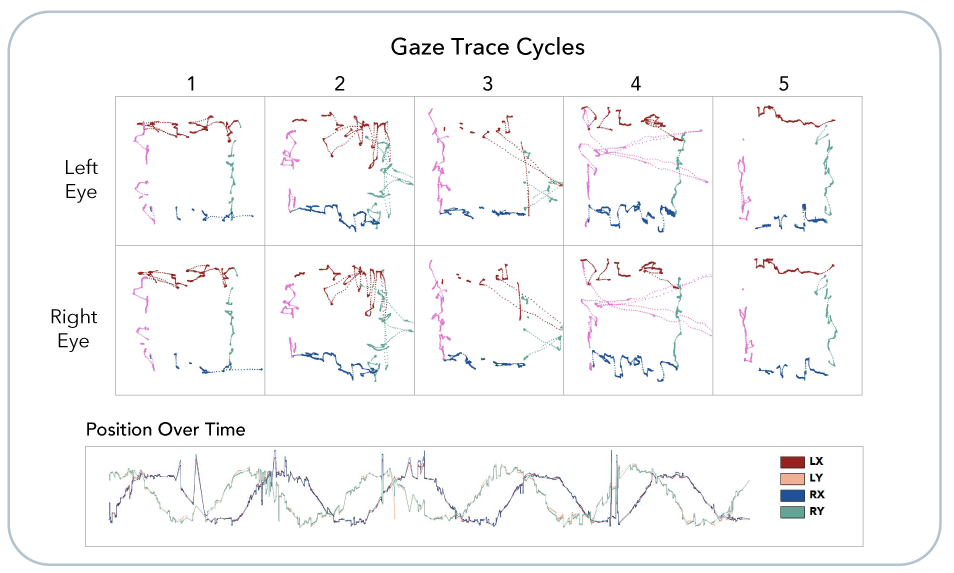
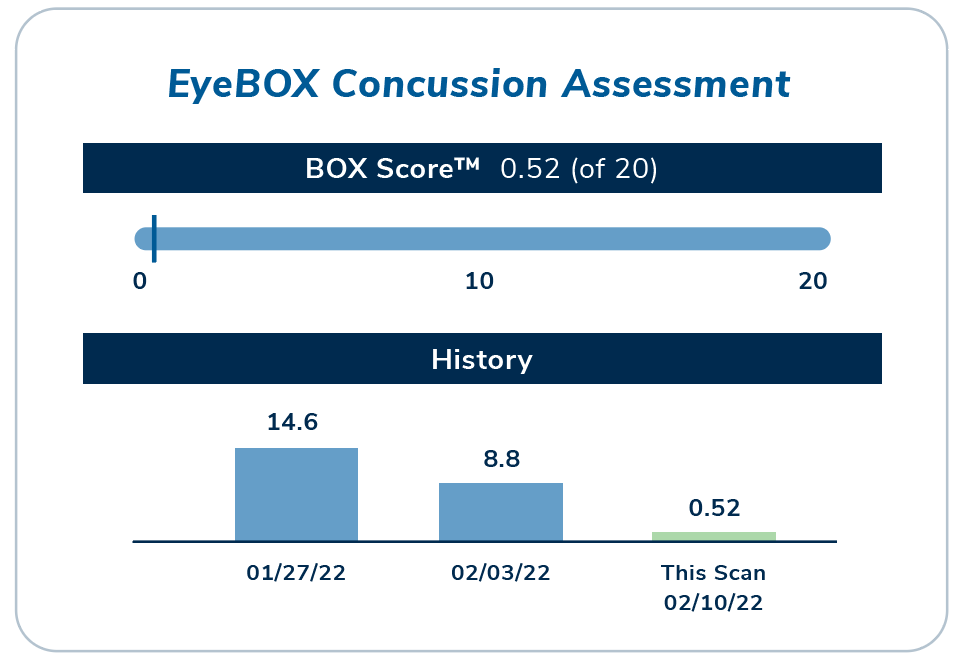
Sample Report
Frequently Asked Questions – EyeBOX
Frequently Asked Questions
What is the EyeBOX and what does it measure?
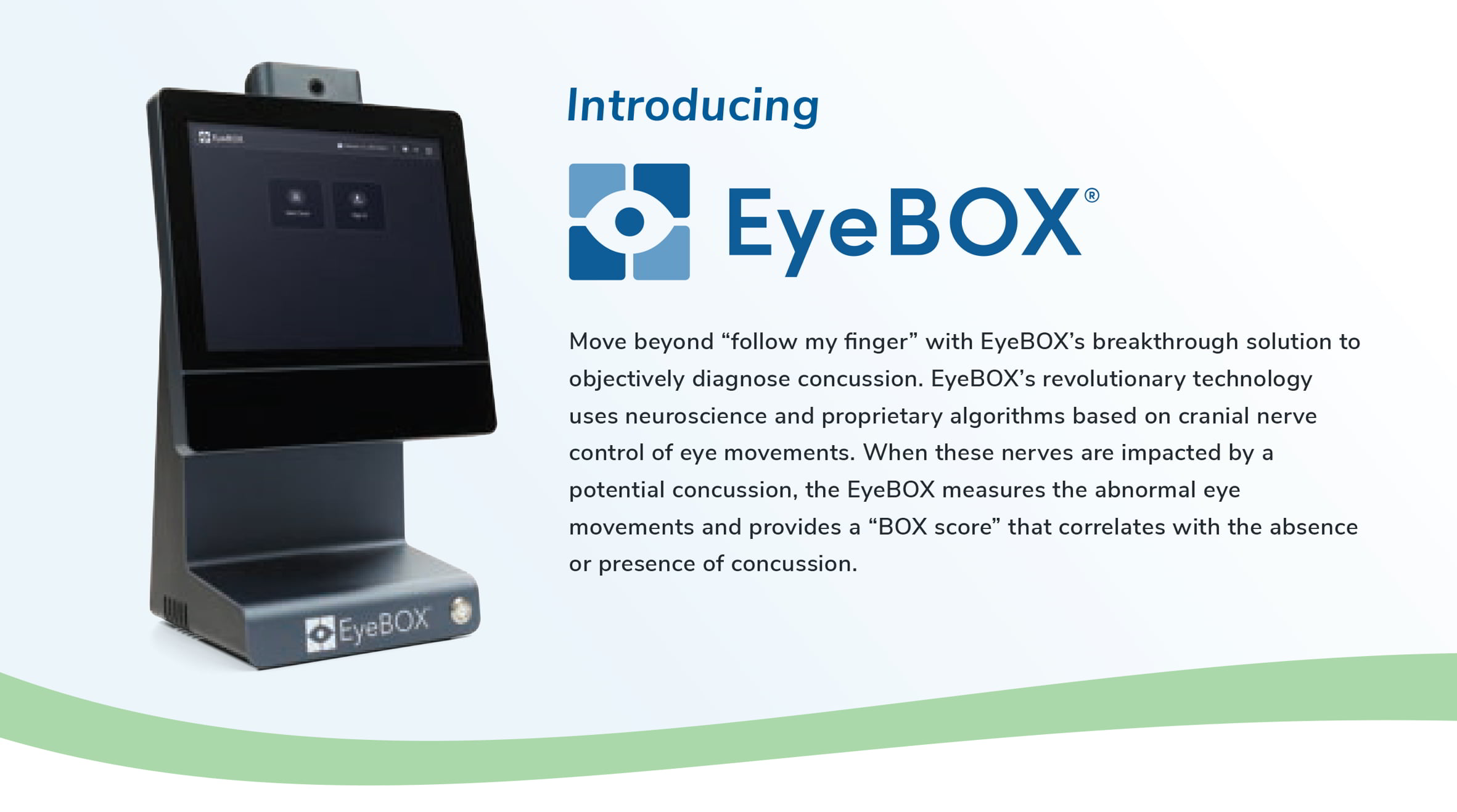
The EyeBOX is a medical device that assesses brain function after a head injury by tracking subtle eye movements and the cranial nerves that control them. The patient sits in front of a screen and follows moving visual targets while cameras and sensors record how the eyes respond. It captures roughly 100,000 data points and produces a BOX score with a report indicating the likelihood of concussion.
How is EyeBOX different from a symptom questionnaire?
Standard concussion screening relies heavily on what the patient reports, which varies with how the person feels, remembers and describes their symptoms. EyeBOX measures cranial nerve function through eye movement abnormalities instead, so the result does not depend on self-reporting. It is an objective aid to diagnosis rather than a replacement for clinical judgment.
Is the EyeBOX approved, and for what?
The EyeBOX has FDA clearance to aid in the diagnosis of mild traumatic brain injury, also known as concussion, within seven days of the injury. The technology has been the subject of published research, with additional studies in progress.
How long does the test take and who can be tested?
The test produces a score in under four minutes, and the device is validated for patients from roughly age five through sixty-seven. Because clearance applies within seven days of injury, getting tested promptly matters.
Does a normal CT or MRI mean I do not have a concussion?
Not necessarily. CT and MRI are very good at showing bleeding, fracture and structural damage, but a concussion can be present when those scans look normal, because the injury is functional rather than structural. This is one of the situations where eye-movement testing can add information that imaging does not provide.
Why does concussion testing matter after a car accident?
Head injury frequently accompanies motor vehicle collisions, and symptoms such as headache, dizziness, light sensitivity, poor concentration and sleep disturbance are easy to attribute to stress or neck pain instead. Objective testing helps document whether a brain injury occurred, which affects both the treatment plan and the accuracy of your medical record. Call 1 (855) 4-TRIMED to arrange testing.