
SACROILIAC BLOCKS
What is a sacroiliac block?
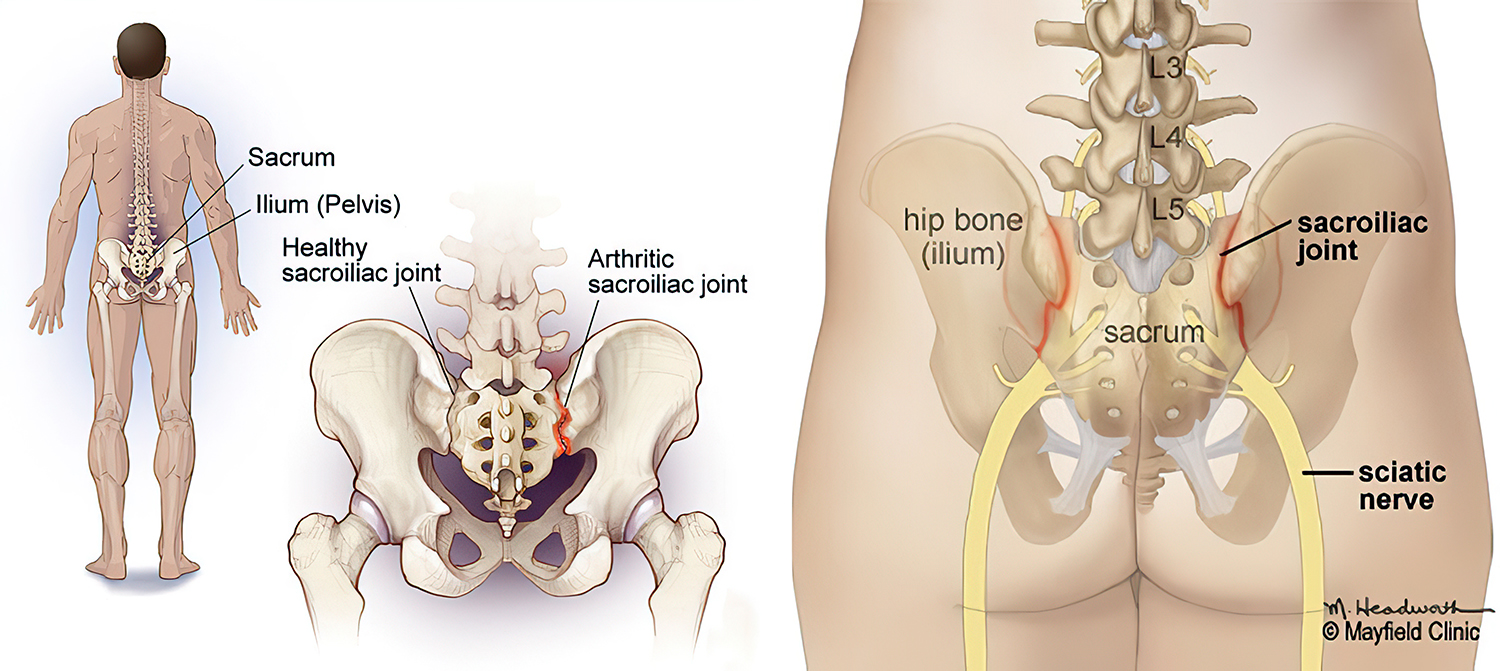
A sacroiliac block is an injection that’s used to diagnose and treat pain that seems to arise from the sacroiliac joint. Your sacroiliac joint connects the lower portion of your spine, the sacrum, to your hip bones, or ilium.
Diagnostic sacroiliac block
Using a sacroiliac block to precisely diagnose the source of your pain is important because pain that originates in this joint often mimics other sources of pain such as a herniated or compressed disc in your lower back.
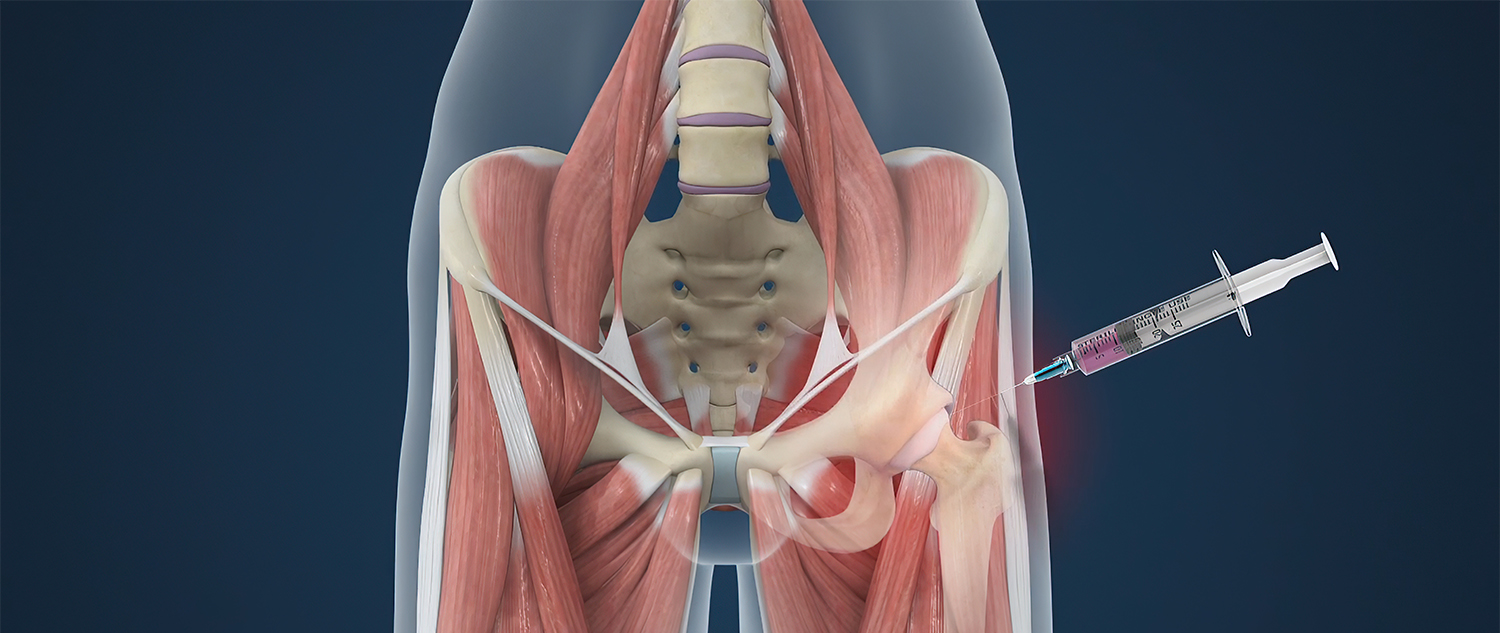
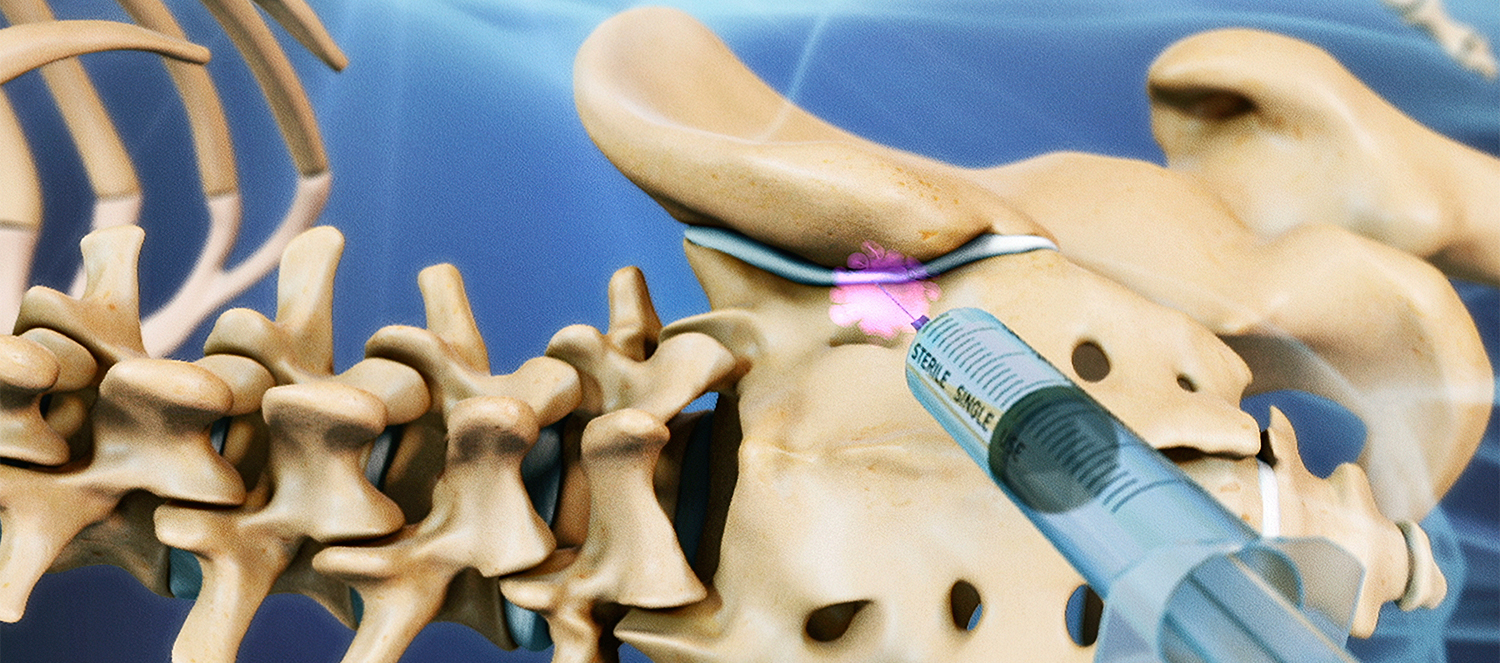
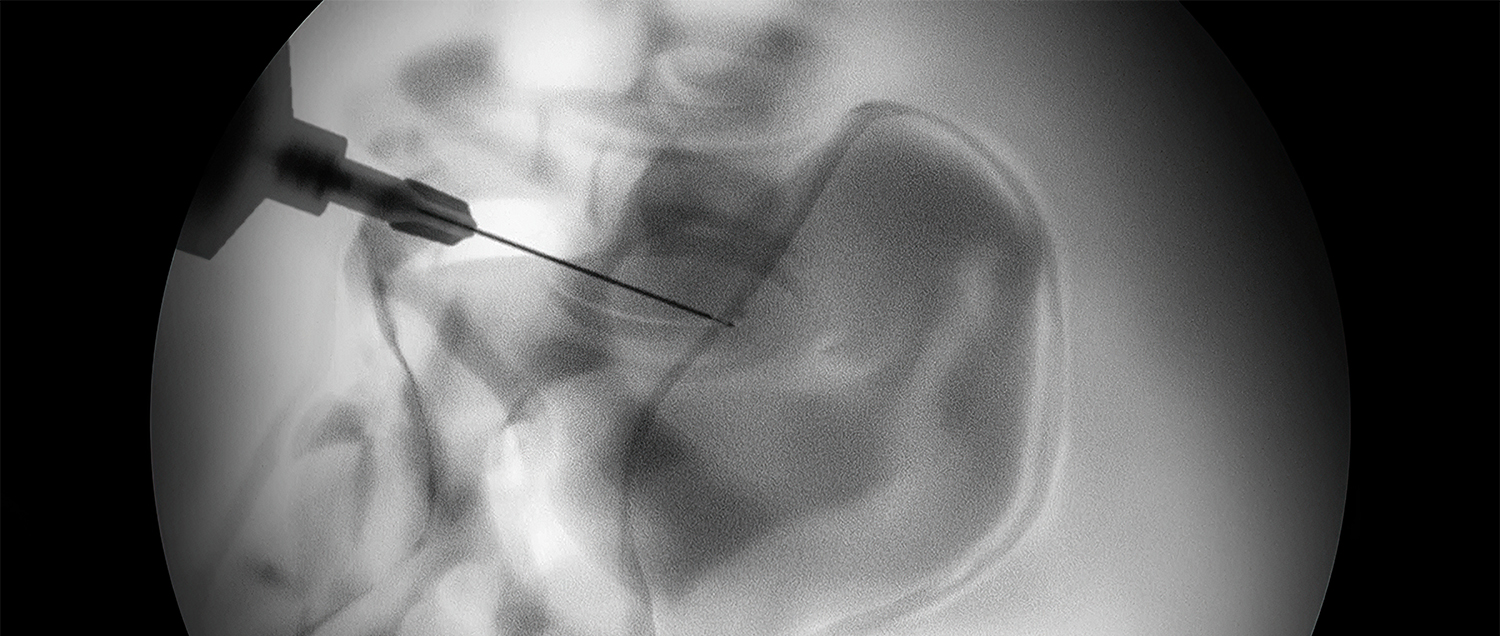
To perform a sacroiliac block, your doctor at TriMed Spine & Joint uses X-ray imaging to see the tissues and guide a narrow needle to the targeted nerves in the joint. When the needle is in place, your doctor injects a local anesthetic into the area.
If you notice a significant reduction in pain shortly after your injection, the diagnostic injection verifies that your pain is coming from the sacroiliac joint. After a positive test, your doctor performs a therapeutic injection.
Therapeutic sacroiliac block
This injection contains an anesthetic and steroid medication. You’ll get quick but short-lived pain relief from the anesthetic. Steroids produce longer-lasting relief because they reduce inflammation.
A series of sacroiliac blocks may effectively break your chronic pain cycle. When this happens, the injection can produce results that last months or years.
What causes sacroiliac joint dysfunction?
Your sacroiliac joint has a very limited range of motion. The joint’s primary job is to absorb shock and help support your body when you bend forward or backward.
Like all joints, the sacroiliac joint relies on ligaments for support and stabilization. These ligaments commonly become stiff or thick over time and cause joint pain. The joint cartilage is also susceptible to wear-and-tear, leading to arthritis and its pain and stiffness.
What symptoms develop due to sacroiliac joint dysfunction?
The sacroiliac joint causes chronic and severe pain when the joint degenerates. Sacroiliac joint pain usually starts in your lower back and buttock and may radiate to the lower hip, upper thigh, or groin. You may also experience tingling or numbness in your leg or develop muscle weakness.
You may find that your symptoms worsen when you sit, stand, walk, or climb stairs. The joint can also become very painful if you sleep on the affected side.
If you develop pain in your lower back or hip pain, call TriMed Spine & Joint or book an appointment online.
More Questions Patients Ask
How do I know my pain is coming from the sacroiliac joint?
Sacroiliac pain is typically felt low, to one side, just below the belt line over the dimple of the pelvis, and it often refers into the buttock or the back of the thigh rather than below the knee. It is commonly worse on standing from a chair, rolling in bed, or climbing stairs. Because it can imitate both hip and lumbar disc pain, a numbing block is often the clearest way to confirm the source.
What are the risks of a sacroiliac joint block?
Temporary soreness at the injection site and a short-lived increase in pain are the usual complaints. Steroid-related effects can include flushing, a few nights of poor sleep and a temporary rise in blood sugar. Infection, bleeding and transient leg numbness are uncommon. Let your physician know about blood thinners, allergies and any active infection beforehand.
What happens if the block works only briefly?
That is still a useful result, because it confirms the joint is the pain generator. The next step is usually to address why the joint is being overloaded, through pelvic and hip stability work, gait correction, and treatment of any lumbar or leg-length contribution. Longer-lasting options such as radiofrequency treatment of the nerves supplying the joint may also be discussed.
Can conservative care help sacroiliac pain?
Often yes. Manual treatment of the joint, targeted gluteal and core strengthening, correction of asymmetric loading habits and, where appropriate, a supportive belt can all reduce sacroiliac pain. Injections and conservative care are usually used together rather than as competing choices. Call 1 (855) 4-TRIMED for an evaluation.