SPORTS INJURIES

INJURIES IN COMPETITIVE ATHLETES
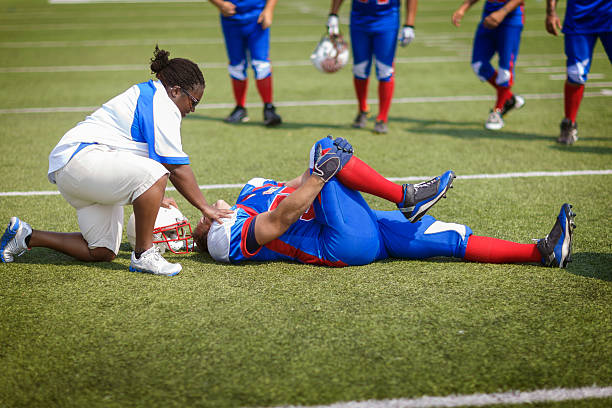
Many professional and competitive athletes already know the value of regular chiropractic care. Increased flexibility, increased energy, increased speed and increased performance are all benefits of chiropractic care. So is a decrease in injuries.
In fact, it’s becoming rare to find a professional or amateur sports team that does not have a “team” chiropractor. Take for instance the bay area in Northern California. The San Francisco 49ers, San Francisco Giants, and the San Jose Sharks have their own team chiropractor.
INJURIES IN CHILD AND TEEN ATHLETES
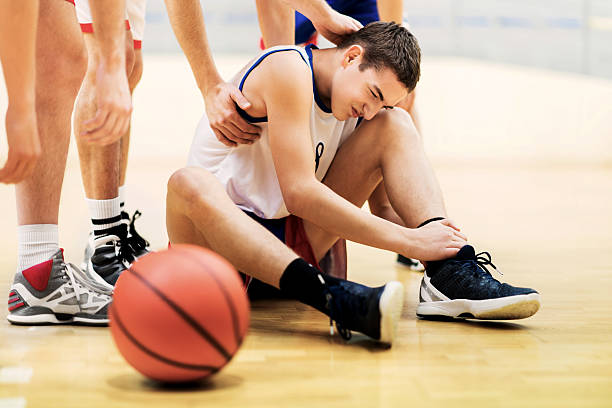
Sports and regular physical activities serve as a fun time for children and teens. More importantly, they improve overall health and wellness status. They also promote a healthy lifestyle that children can carry on into their adulthood years.
Exercise and Health Education Cut Kids’ Risk of Heart Disease
Experts Urge Children Need More Exercise
Results of Strength Training in Obese Prepubertal Girls
Frequently Asked Questions
Why see a chiropractor for a sports injury?
Most sports injuries are soft tissue injuries. Many of them arise from how the body is moving rather than from a single traumatic event. Chiropractic care addresses joint mechanics, muscular imbalance and movement technique alongside the pain itself. That is why it is often used together with rehabilitation. When an injury turns out to be structural, the orthopedic side of our practice handles it.
What is the difference between treating the pain and treating the cause?
Ice, rest and medication can settle symptoms without changing what produced them. That is why the same injury often returns when training resumes. Addressing the cause means looking at muscular imbalances, restricted joints, biomechanical deficiencies and sporting technique. A plan that only chases pain tends to produce a shorter result than one that also corrects mechanics.
Do I need to stop training completely while I recover?
Usually not. Complete rest is reserved for injuries where loading the tissue would set healing back. More often we modify the activity and reduce volume or intensity. We also substitute movements that keep you conditioned without aggravating the injured area. Staying active in a controlled way generally shortens recovery.
Which sports injuries do you see most often?
Sprains and strains, tendonitis and bursitis, and low back and neck strain are common. So are shoulder and knee pain and overuse injuries of the hip, ankle and elbow. Our sports medicine page covers structural injuries such as ligament tears, meniscal tears and rotator cuff tears. That page also covers the surgical options when they are needed.
When should a sports injury be evaluated rather than managed at home?
Have it looked at if the joint gave way or locked, or if it swelled quickly. The same applies if you cannot bear weight or use the limb normally. Get it checked if there is numbness or weakness. Do the same if the pain has not improved after a week or two of sensible self-care. Recurring injuries in the same spot are also worth evaluating, because they usually indicate an uncorrected mechanical cause. Call 1 (855) 4-TRIMED to be seen.