
EPIDURAL INJECTIONS
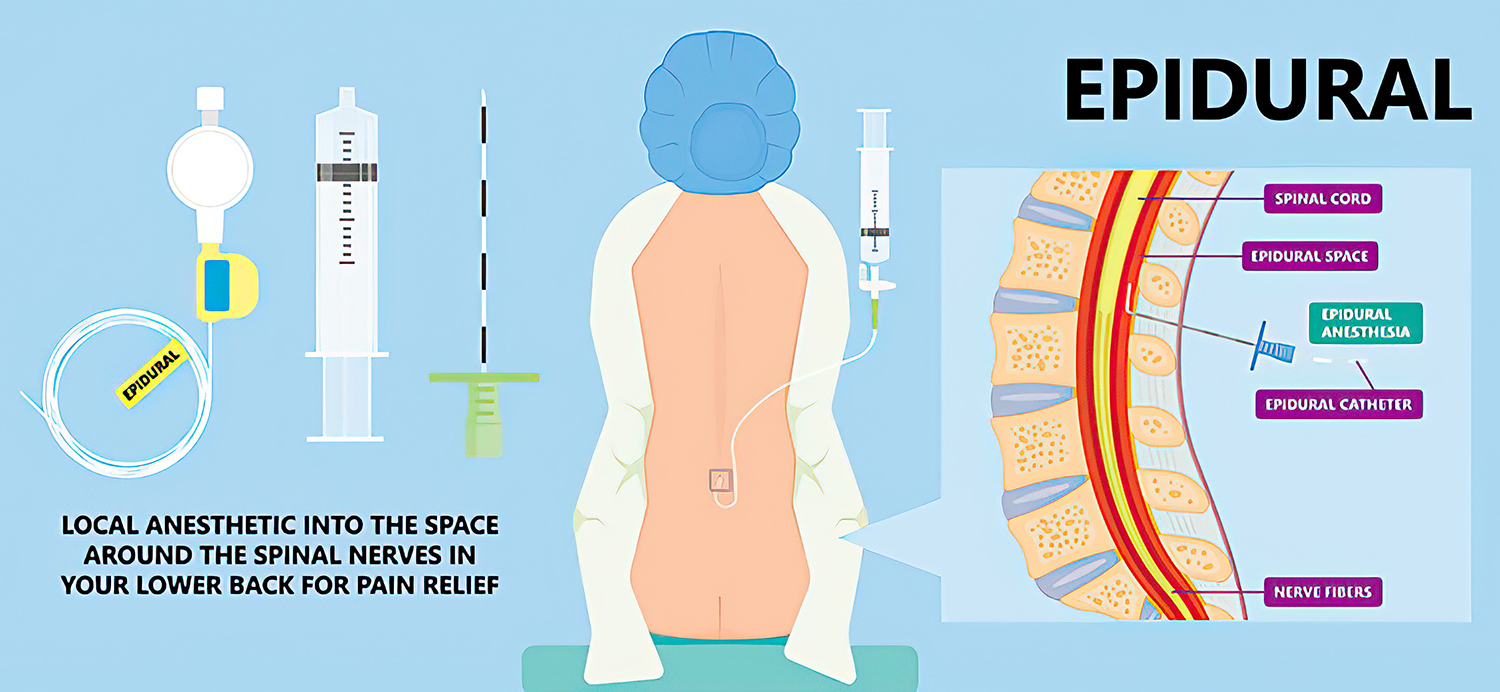
What is an epidural injection?
This pain-relieving treatment is named after the area where it’s injected — the epidural space of your spine. The epidural space lies between the spine and a membrane that covers the spinal cord. When an injection is placed into the epidural space, the fluid can cover a larger area and flow around nerves, surrounding them with pain-relieving medication.
The doctors at TriMed Spine & Joint administer epidural injections containing DEPO-MEDROL®, a slow-releasing and long-acting steroid that dramatically reduces inflammation. As the swelling and inflammation caused by nerve compression go down, you experience pain relief.
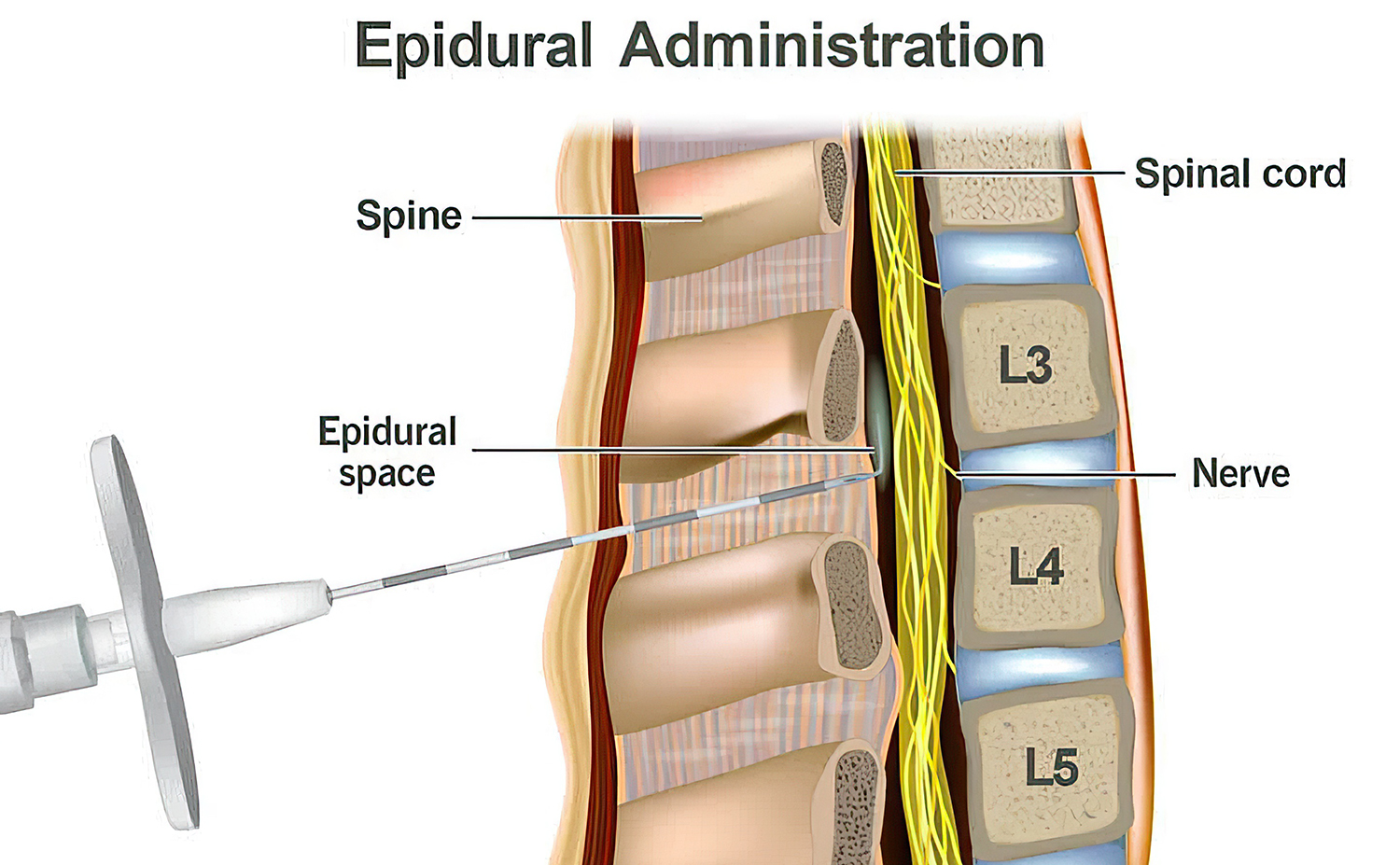
When would I need an epidural steroid injection?
Epidural injections are used to relieve pain that’s caused by inflamed nerves in your spine. Several conditions that compress spinal nerves and cause inflammation include:
- Herniated disc: the disc bulges out between its adjoining vertebrae
- Spinal stenosis: narrowing of the spinal canal
- Degenerative disc disease: discs weaken and collapse
In some cases, the team at TriMed Spine & Joint may recommend an epidural injection to relieve pain caused by fractured vertebrae.
What results can I expect?
The goal of an epidural injection is pain relief, improved function, and a better quality of life. However, each patient responds differently. Pain relief can vary from no relief to 100% pain relief, and your results may last for a day or for several years.
Despite the variability in results, studies show that epidural injections allow more than 60% of patients with a herniated disc to avoid surgery.
One of the great benefits of an epidural injection is that the pain relief allows you to fully participate in physical therapy, which keeps your muscles strong, reduces inflammation, and helps maintain a range of motion. The positive effects of physical therapy help to sustain your pain relief after your epidural injection wears off.

What should I expect during and after an epidural injection?
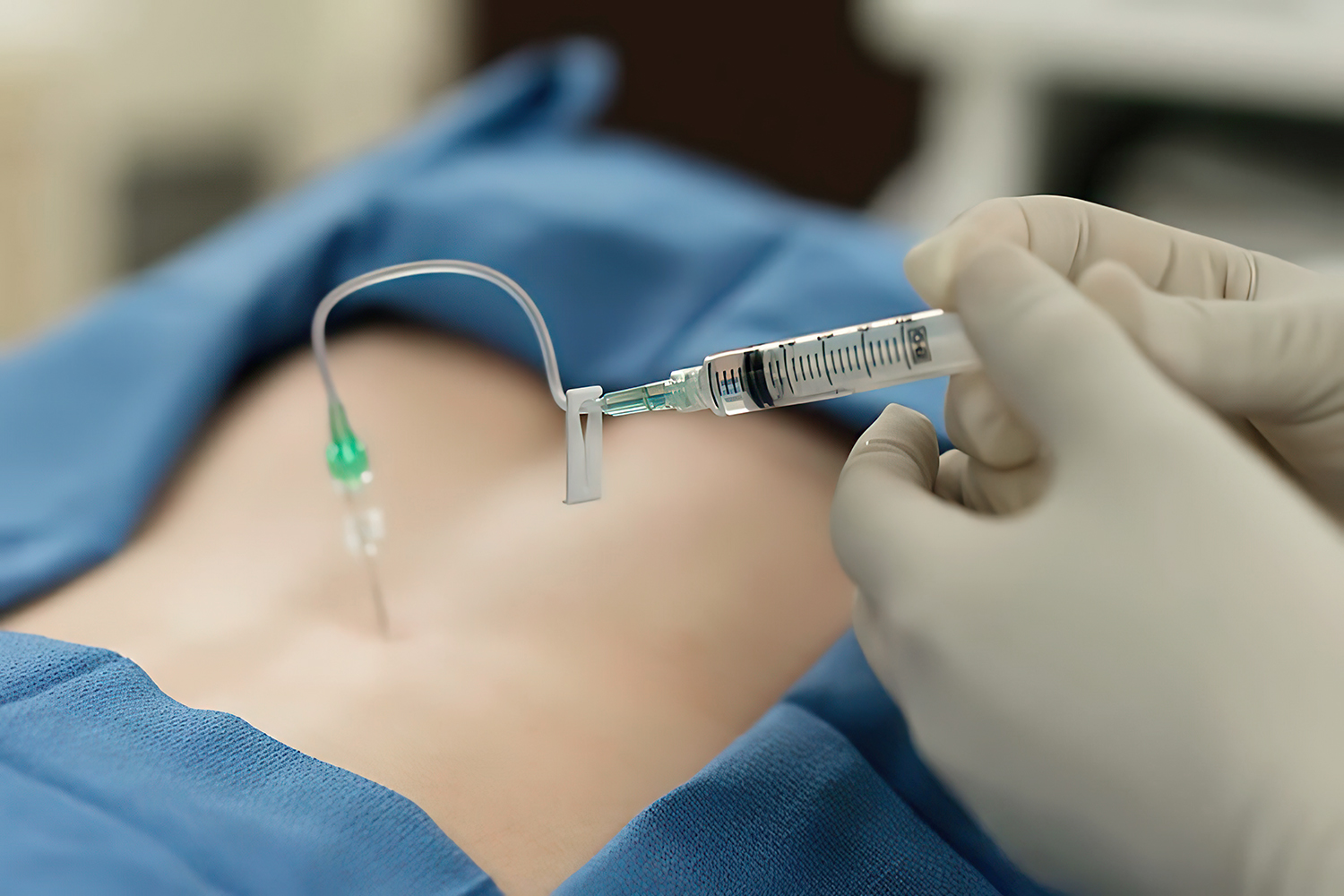
Your doctor at TriMed Spine & Joint administers epidural injections using fluoroscopy. Fluoroscopy is a specialized X-ray that provides real-time images used by doctors to guide the needle into the exact area where the nerves are compressed.
The doctors do not give general anesthesia or sedating medications. They believe it’s important for you to be alert so you can tell them if your pain worsens during the procedure. While there are risks associated with epidural injections, they rarely occur. Your doctor explains the details prior to your procedure.
If you suffer from chronic back or neck pain, call TriMed Spine & Joint or book an appointment online.
More Questions Patients Ask
How soon does an epidural injection work, and how long does it last?
The local anesthetic can relieve pain within minutes, but that early effect wears off within hours. The steroid component usually takes a few days to a week to take effect as inflammation around the nerve settles. Duration varies widely, from a few weeks to several months, and it tends to be longer when the injection is combined with rehabilitation rather than used alone.
What are the risks and side effects?
Common and temporary effects include soreness at the injection site, a headache, facial flushing, a few nights of poor sleep, and a rise in blood sugar that matters if you are diabetic. Less common problems include a spinal headache from a dural puncture, bleeding, infection, and transient leg weakness or numbness. Tell your physician about blood thinners, allergies, active infection, poorly controlled diabetes and pregnancy before the procedure.
Does having an epidural mean I will end up needing surgery?
No. For many patients an epidural injection is the treatment that gets them past an acute episode of nerve pain so that rehabilitation becomes possible, and surgery never enters the picture. It can also serve as useful information: the pattern and duration of your response tells your physician how much of your pain is inflammatory and how much is mechanical compression.
Can I have DRX9000 spinal decompression as well?
In appropriate disc cases the two are often sequenced, with the injection calming nerve inflammation so that decompression sessions are better tolerated. Whether that fits you depends on your examination and imaging. The DRX9000 table is located at our Boca Raton office at 307 Via De Palmas, so patients from our Lauderhill, Hollywood and Delray Beach offices are scheduled there for those sessions.