
FACET JOINT SYNDROME

What is Facet Joint Syndrome?
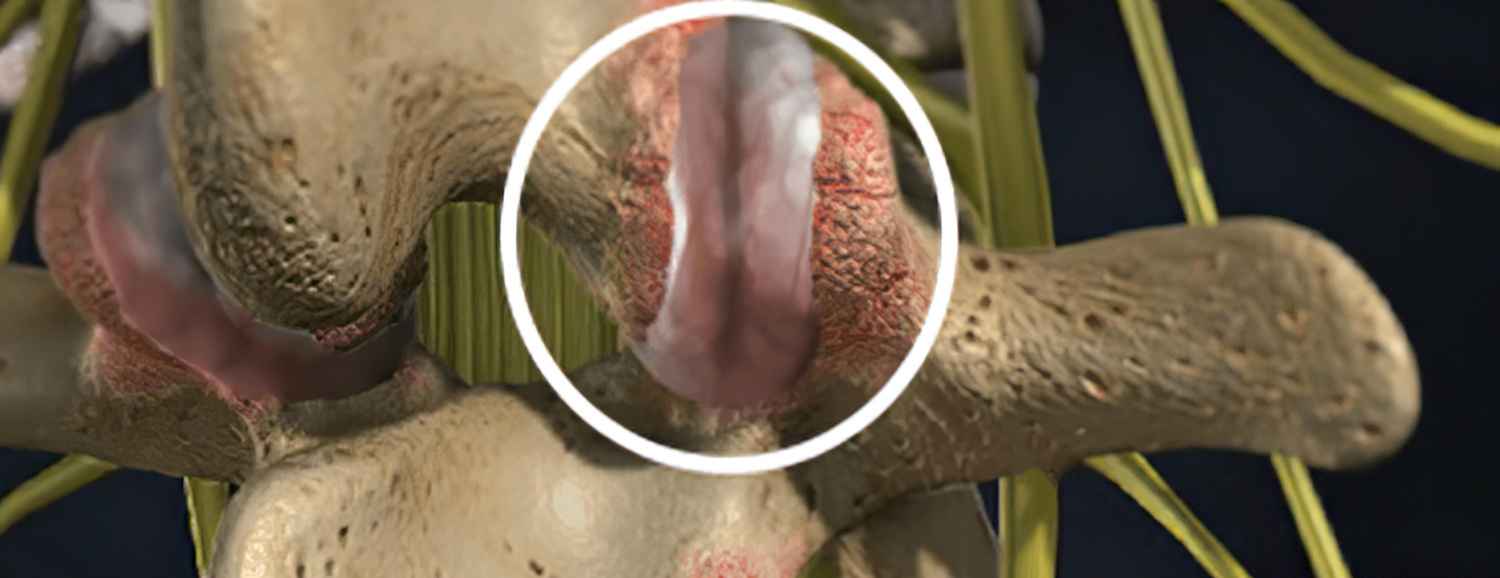
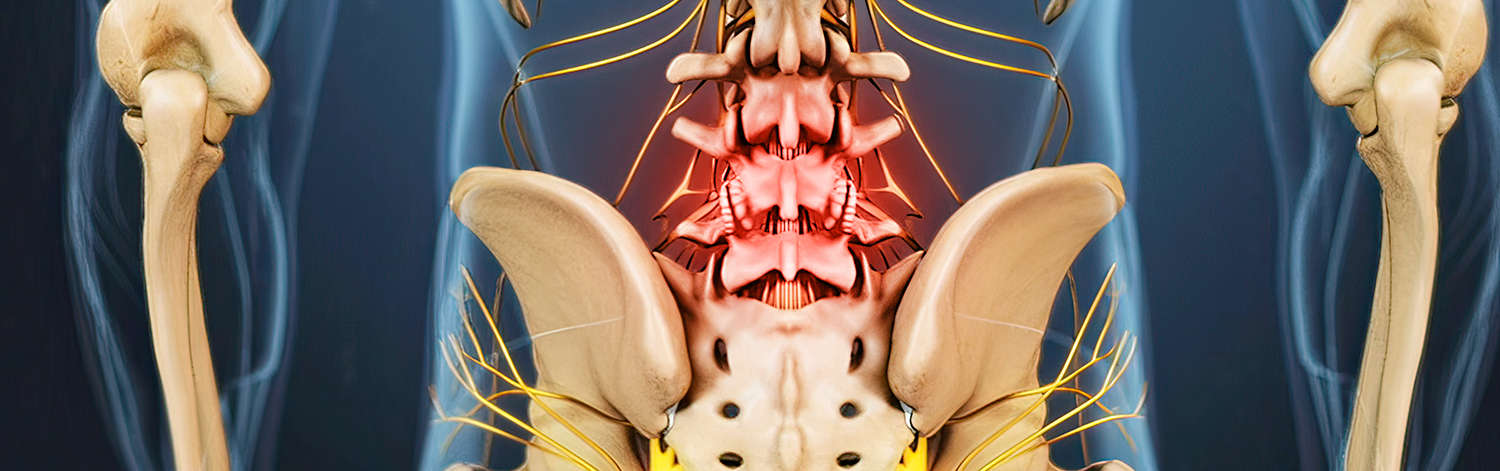
Facet joint syndrome — also called facet disease or facet arthropathy — is pain caused by wear and irritation in the facet joints of the spine. The facet joints are small stabilizing joints in the spine, located behind and under vertebrae. They allow movement and twisting of the spine near the neck and lower back. But, not too much or we’d look like one of those inflatable things outside car dealers. Or we’d be flopping all over the place with no stability.
Inside the face of each facet joint is a low friction pad made from moist cartilage. Each joint is then surrounded by a capsule full of its own supply of lubrication. Therefore, keeping those cartilage pads moist. Also, nerve fibers sit in the capsule, informing the brain of any problems. And therefore, typically feel this signal as pain. Since these joints are almost in constant motion, they can experience a lot of abuse. And may become worn out. This degradation of the pads and bone can lead to bone spurs, facet joint enlargement, and inflammation, known as facet joint disease.
Facet Joint Syndrome Symptoms
- Intermittent pain
- Loss of flexibility in your spine
- An increase in pain when leaning back
- Pain that can radiate through the buttocks into the upper thigh
- Shoulder and neck pain
- An unusual curvature of the spine
- Pain that is worse in the morning and nights
- Severe headache that starts at the base of the skull and ends behind the eyes
Facet Joint Syndrome Causes
Facet joint syndrome can be caused by a combination of aging, pressure overload of your facet joints, and/or injury. Pressure overload on your facet joints is probably caused by the degeneration of the intervertebral discs in your spine. As the discs degenerate, they wear down and begin to collapse.
Non-Surgical Option: DRX9000 Spinal Decompression Therapy
The DRX9000 is FDA cleared to treat posterior facet syndrome. DRX9000 spinal decompression therapy may be considered as part of a non-surgical treatment plan for facet-related pain. Call 1 (855) 487-4633 to schedule an evaluation with Steven Cantor DC.
Common Questions About Facet Joint Syndrome
What does facet joint pain feel like?
Facet pain is usually felt as a deep, local ache close to the spine, on one or both sides, and it can refer into the buttock or the back of the thigh, or into the shoulder blade and back of the head when the neck is involved. Unlike disc-related nerve pain, it rarely travels below the knee or into the hand, and it is not usually accompanied by numbness.
What makes facet joint pain worse?
Bending backwards, twisting, standing for long periods and getting up after sitting still typically aggravate it, and many patients are stiffest first thing in the morning. Bending forwards often relieves it. This pattern is close to the opposite of disc-related pain, which is one of the ways the two are distinguished during examination.
How is facet joint syndrome diagnosed?
Diagnosis is clinical first: the pattern of pain, what provokes and relieves it, and how the segment moves on examination. Imaging can show joint narrowing and arthritic change, but those findings are common with age and do not by themselves confirm the source of pain. Where the picture is unclear, a diagnostic medial branch block can help identify whether a particular joint is responsible.
How is facet joint pain treated?
Treatment starts conservatively, with manual care to restore movement at the affected segment, rehabilitation for the muscles that support it, and activity modification. When conservative care is not enough, options include facet injections, medial branch blocks and radiofrequency ablation for longer-lasting relief.
Can spinal decompression help facet joint syndrome?
It can be considered. The DRX9000 is FDA cleared to treat posterior facet syndrome as well as disc conditions, and reducing load through a degenerated segment can relieve the joints at the back of that segment. DRX9000 spinal decompression is performed at our Boca Raton office, and suitability is determined after an examination and a review of your imaging.