AUTO INJURIES
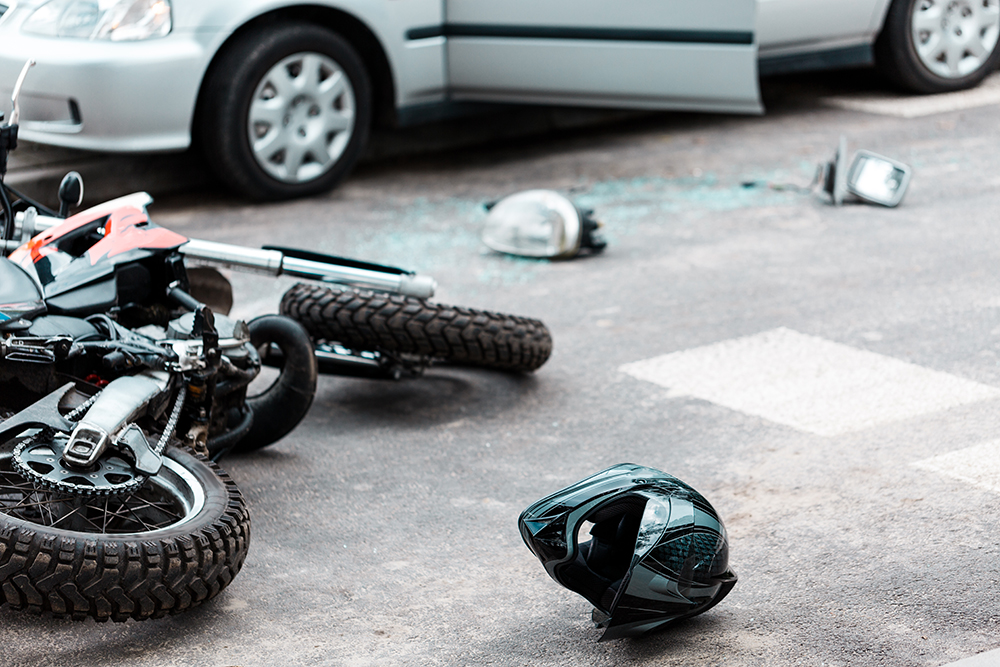
Whiplash and other soft-tissue injuries from a motor vehicle accident often produce symptoms that surface days or weeks after the crash. Our full guide explains what to do immediately after an accident, the injuries we screen for, and how findings are documented for your insurance claim. Read the complete auto injury guide.
SPORTS INJURIES

Most sports injuries are soft-tissue in nature, and many trace back to improper biomechanics, technique, or conditioning rather than a single traumatic moment. Our full guide covers injuries in competitive athletes, child and teen athletes, and how treatment addresses the underlying cause and not just the pain. Read the complete sports injury guide.
WORK INJURIES
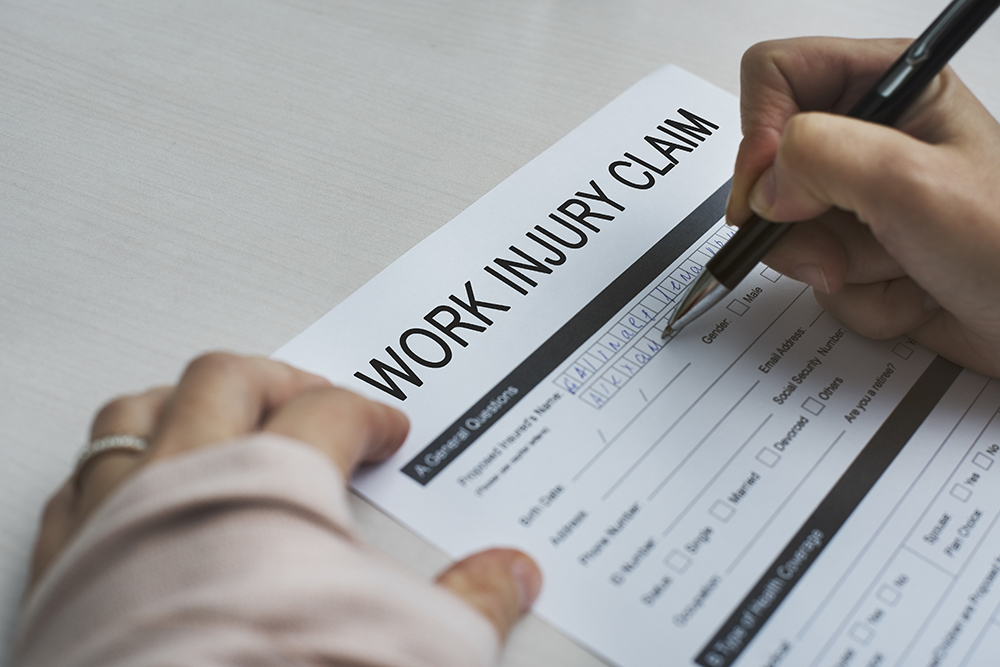
Repetitive strain, lifting injuries and poor workstation ergonomics account for the majority of work-related musculoskeletal complaints we treat. Our full guide covers the most common on-the-job injuries, prevention and ergonomics, and what to expect from evaluation and care. Read the complete work injury guide.
HEADACHES
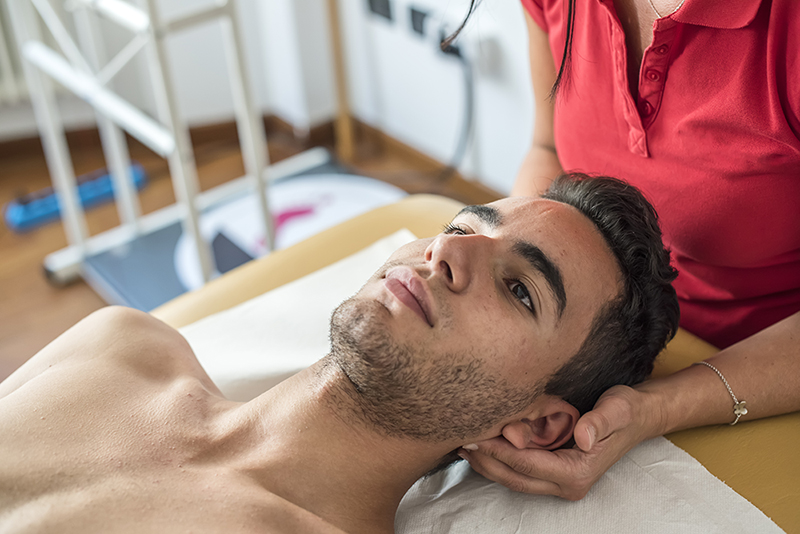
Most headaches are either soft-tissue or neurologic in nature, and a significant portion originate in the tissues of the neck. Our full guide breaks down the most common headache types, how chiropractic care is used to treat them, and practical prevention tips. Read the complete headache guide.
NECK PAIN
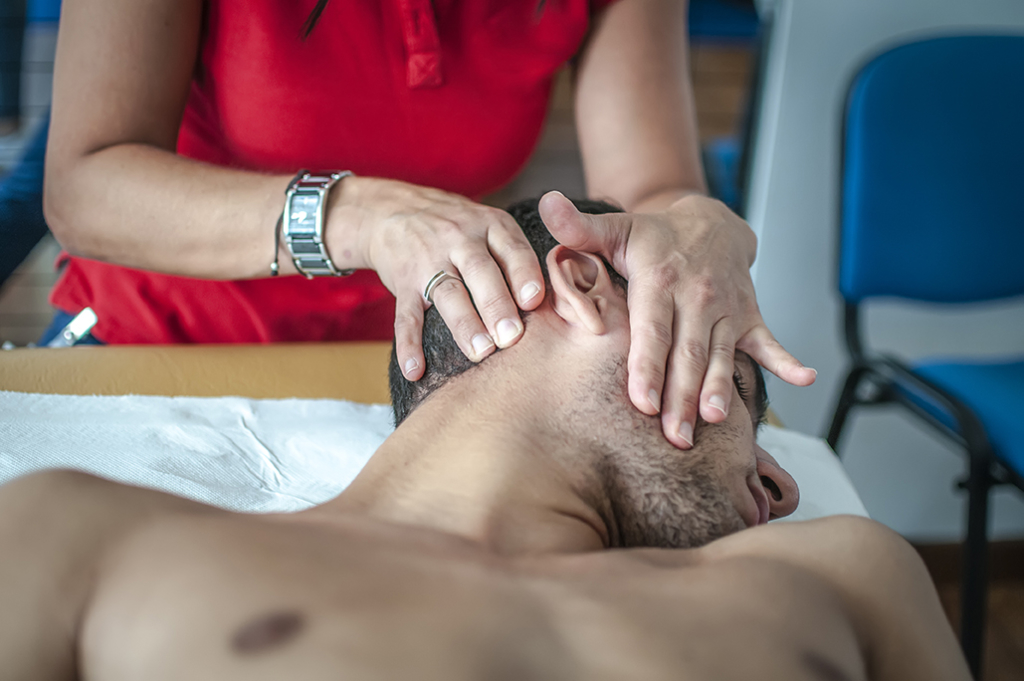
Neck pain can stem from posture, disc problems, arthritic change or injury, and the right treatment depends on which structure is involved. Our full guide covers cervical anatomy, common causes, treatment options and practical tips for protecting your neck and upper back. Read the complete neck pain guide. If imaging shows a cervical herniated or degenerative disc, DRX9000 spinal decompression therapy may be an option.
LOW BACK PAIN

Lower back pain is the leading cause of disability worldwide and has many possible sources, from muscular strain to disc injury. Our full guide covers lumbar anatomy, what causes low back pain, and the treatment options available at TriMed Spine & Joint. Read the complete lower back pain guide. If imaging shows a lumbar herniated or degenerative disc, DRX9000 spinal decompression therapy may be an option.
MID BACK PAIN
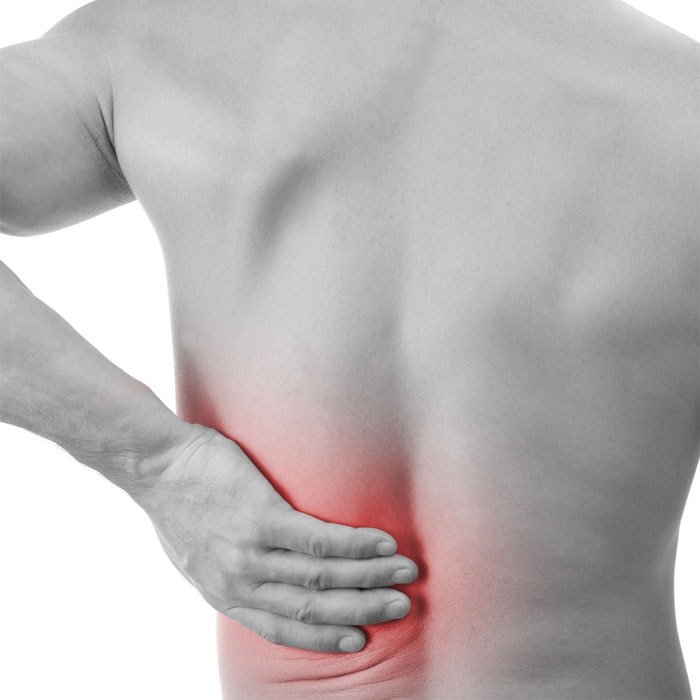
Mid-back (thoracic) pain is less common than neck or low back pain and often relates to posture, rib and joint mechanics, or compensation from problems elsewhere in the spine. Our full guide covers thoracic anatomy, causes and treatment options. Read the complete mid-back pain guide.
Full Index of Conditions We Treat
TriMed Spine & Joint treats 21 conditions grouped into five categories: disc conditions, nerve pain, regional pain, structural and joint conditions, and injury-related problems. Each condition has its own page covering the symptoms, how it is diagnosed, and the treatment options.
Disc Conditions
A disc condition is any problem originating in the intervertebral disc itself, the cushion of cartilage between two vertebrae — whether that disc bulges, tears and herniates, loses height and hydration with age, or contributes to narrowing of the spinal canal.
- Herniated disc – disc material displaced beyond its normal boundary, often compressing a nerve root.
- Bulging disc – the disc wall extends outward without the inner material breaking through.
- Degenerative disc disease – age-related loss of disc height and hydration.
- Spinal stenosis – narrowing of the spinal canal, with lumbar and cervical variants.
Nerve Pain
Radicular pain is pain produced when a spinal nerve root is compressed or irritated, and it travels along the path that nerve serves rather than staying at the spine itself.
- Sciatica – pain following the sciatic nerve into the buttock and leg.
- Pinched nerve – compressed nerve producing pain, numbness or weakness away from the site.
- Headaches – including headaches arising from the neck.
Regional Pain
Regional pain conditions are grouped by where the symptoms are felt rather than by what is causing them, which is how most patients first describe the problem.
- Neck pain – causes, red flags and treatment of cervical pain.
- Back pain – an overview of the common sources of spinal pain.
- Lower back pain – lumbar pain, its causes and its management.
- Mid back pain – thoracic pain and what commonly produces it.
- Hip pain – including how to tell hip pain from referred spinal pain.
- Joint pain – when joint pain is arthritis and when it is something else.
Structural and Joint Conditions
Structural and joint conditions involve the bones, joints, and alignment of the spine rather than the disc, including facet joint irritation, vertebral slippage, abnormal curvature, fractures, and arthritic joint disease.
- Facet Joint Syndrome – arthritic change in the small joints at the back of the spine.
- Spondylolisthesis – forward slippage of one vertebra over the one below.
- Scoliosis – abnormal sideways curvature and how it is monitored.
- Spinal fractures – compression fractures, their causes and treatment.
- Joint diseases – arthritic and inflammatory conditions affecting the joints.
Injury-Related
Injury-related conditions begin with a specific event — a motor vehicle crash, a workplace accident, or a sports collision — and usually carry documentation and reporting requirements alongside the treatment itself.
- Auto accident injuries – whiplash and disc injury following a collision.
- Work injuries – injuries sustained on the job.
- Sports injuries – common athletic injuries.
If a disc is involved, DRX9000 spinal decompression is often part of the conversation. You can book a consultation or read our frequently asked questions first.
Common Questions About the Conditions We Treat
Patients most often ask about referrals, how disc-related pain is identified, injury claims, and when symptoms need urgent attention.
What conditions does TriMed Spine & Joint treat?
We treat spine and joint problems ranging from low back pain, neck pain and headaches to disc herniations, sciatica and other nerve pain, hip and joint pain, and injuries from car accidents, sports and work. A full list is in the Full Index of Conditions We Treat on this page.
Do I need a referral to be seen?
A referral is not required to book a chiropractic evaluation with us. Some insurance plans and certain advanced imaging or specialist procedures may still require one, so it is worth checking your individual policy before your visit.
How do I know whether my back pain is coming from a disc?
Disc pain often travels into an arm or leg, worsens with sitting, bending or coughing, and may come with numbness, tingling or weakness. Those clues are only a starting point, so we confirm the source with a hands-on examination and, when appropriate, imaging before recommending treatment.
Do you treat car accident and work injuries?
Yes. Auto injuries, work injuries and sports injuries are a large part of our practice. These cases usually need clear documentation as well as treatment, so we examine, document findings and coordinate with the other parties involved in your claim.
When should back or neck pain be treated as urgent?
Seek immediate medical care for loss of bowel or bladder control, numbness in the groin or inner thighs, progressive weakness in an arm or leg, severe pain after a fall or crash, or pain with fever or unexplained weight loss. Otherwise, pain that has not improved after two to three weeks is a reasonable point to be evaluated.
Where are your offices located?
We see patients in Boca Raton, Delray Beach, Lauderhill and Hollywood, Florida. You can book an appointment online at any location.