
JOINT DISEASES


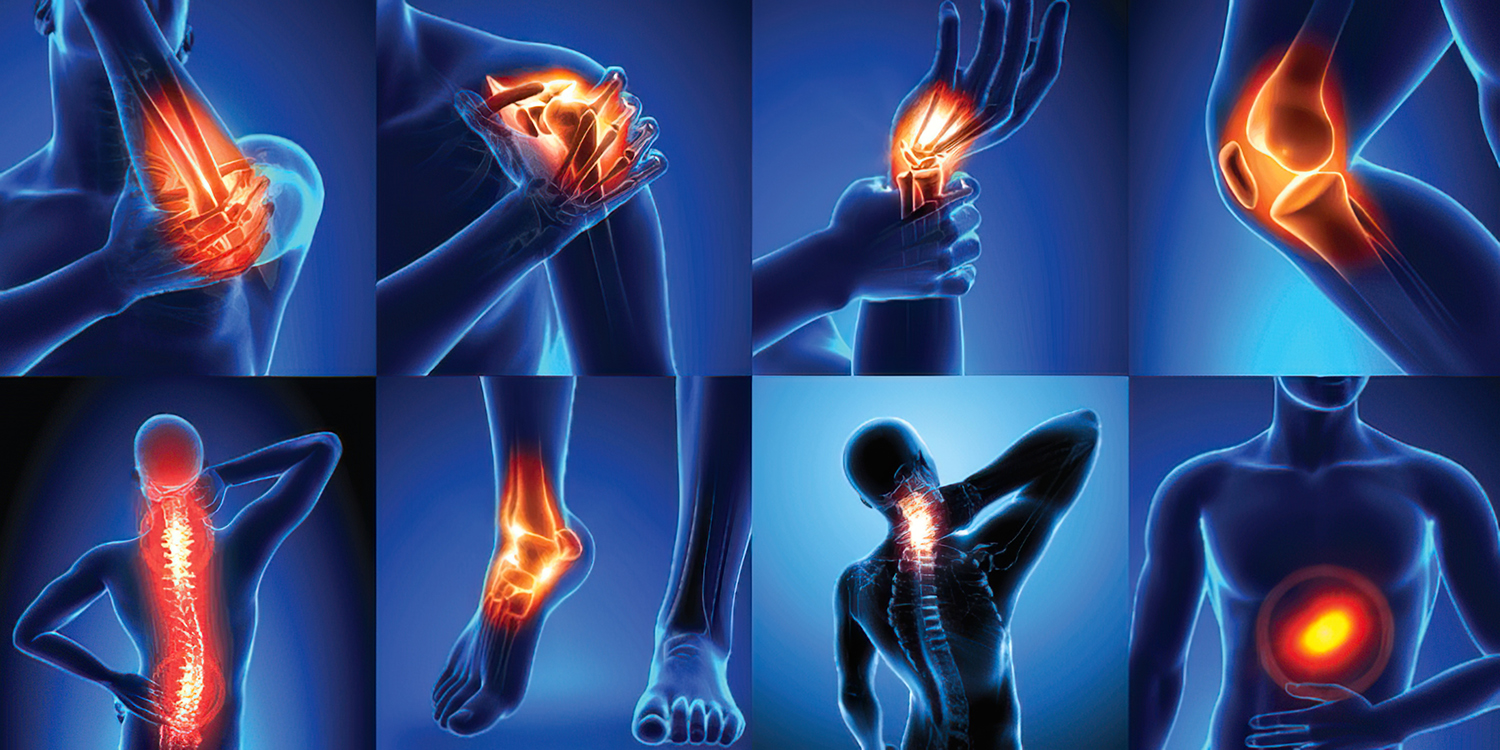

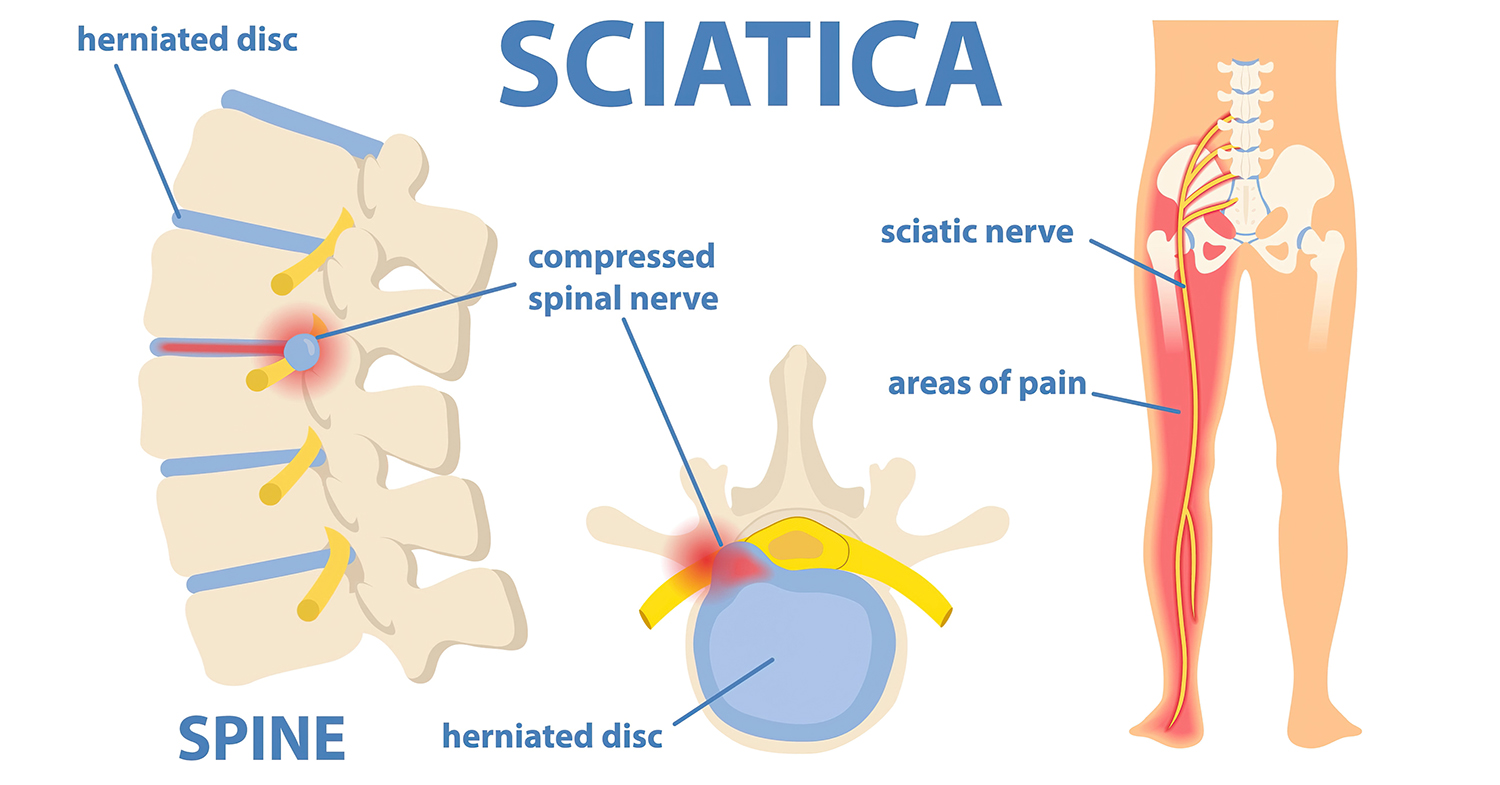

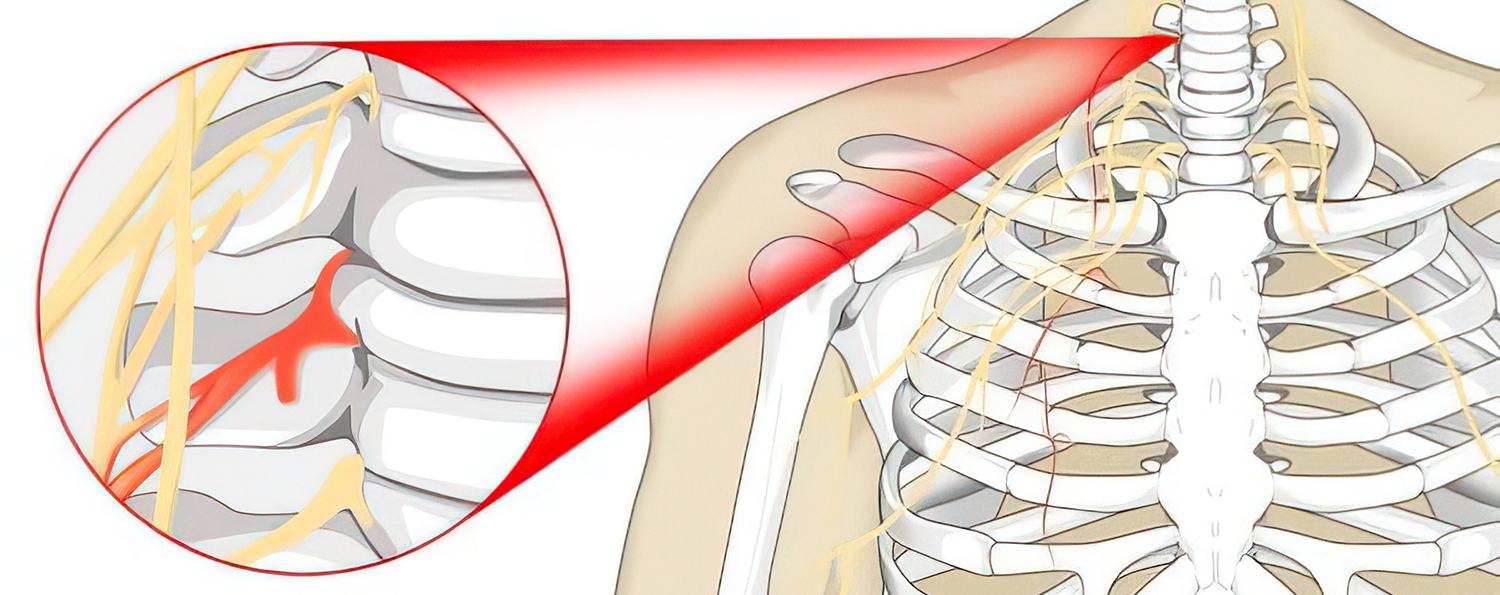

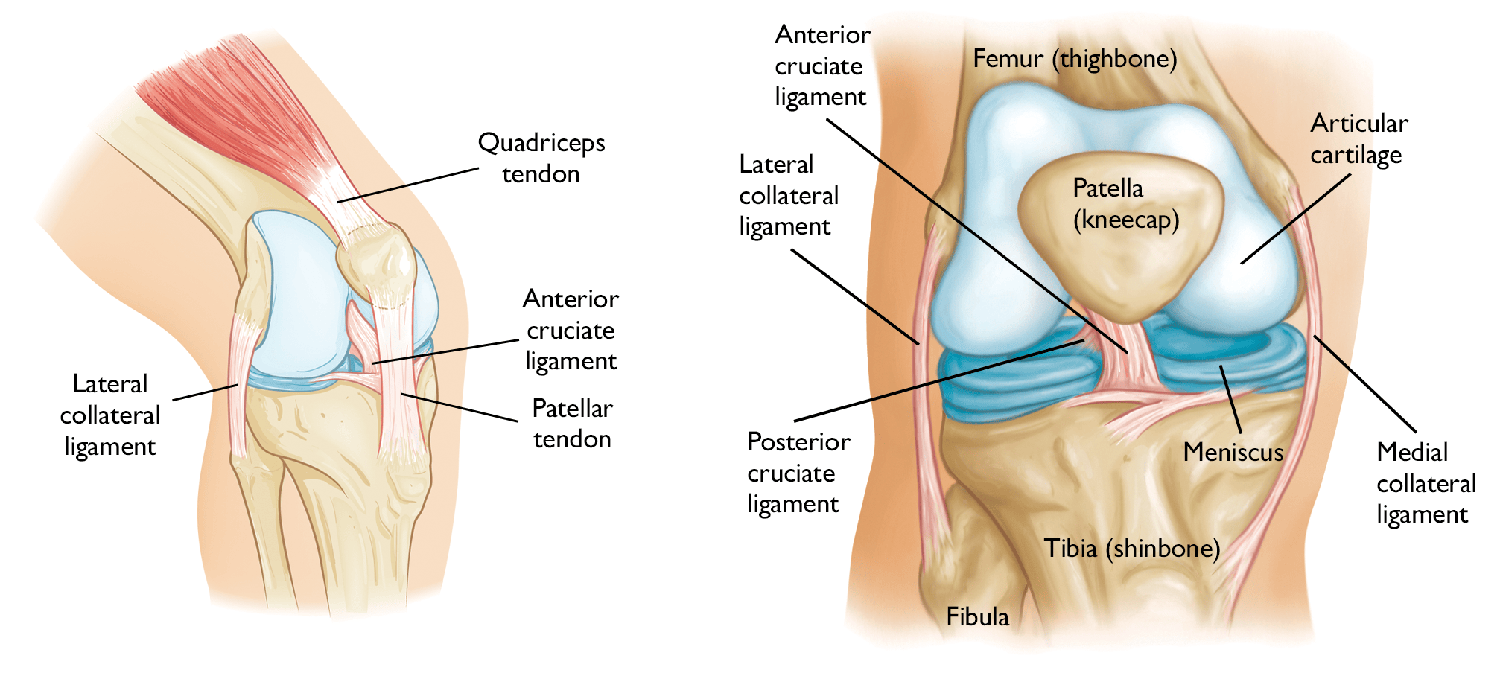

Joint disease covers a group of conditions in which the cartilage, ligaments, tendons or synovial lining of a joint become damaged, inflamed or worn. Osteoarthritis, inflammatory arthritis, bursitis, tendinopathy and post-traumatic joint injury all fall under this heading, and each produces a different pattern of pain, stiffness and loss of motion.
Common Symptoms
- Pain that worsens with activity and eases with rest, or stiffness that is worst in the morning
- Swelling, warmth or visible enlargement around the joint
- Reduced range of motion, grinding or catching during movement
- Weakness or instability in the limb the joint supports
Related Conditions and Care
- Joint Pain
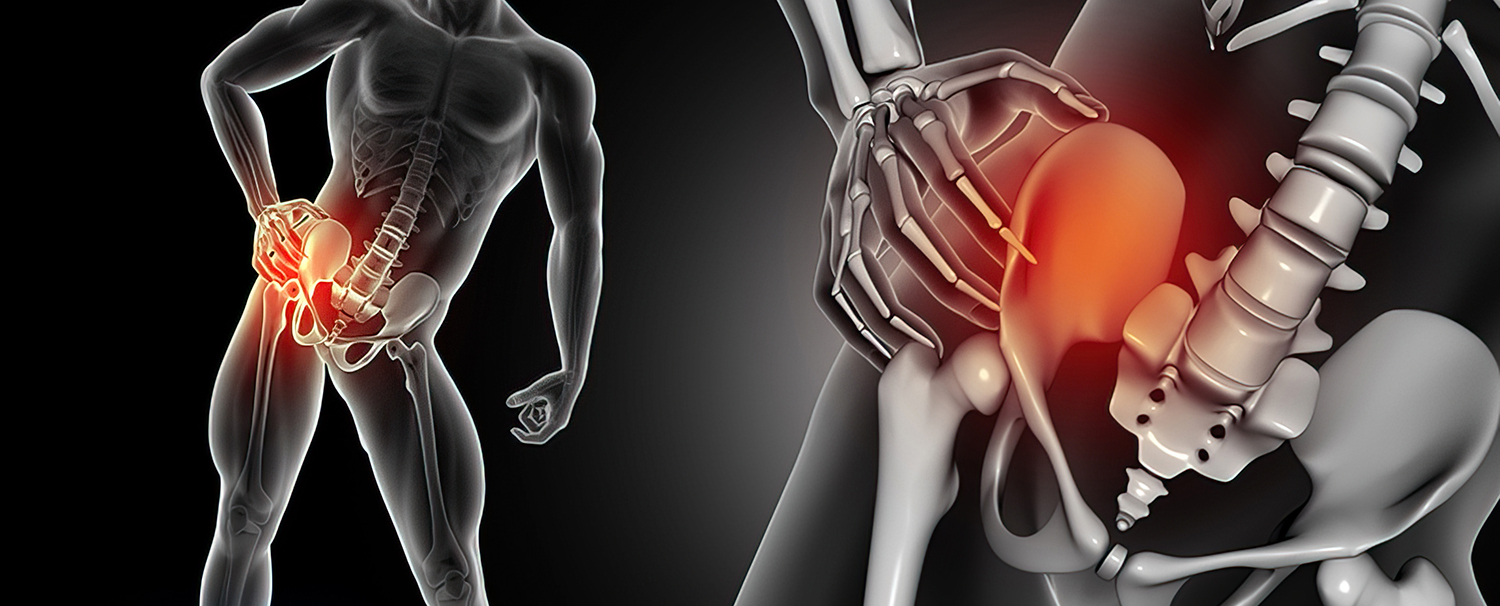
- Hip Pain
- ACL, Tendon and Ligament Injuries
- Orthopedic Extremities
- Orthopedic Care
- Orthopedic Physical Therapy
- Class IV Laser Therapy
- Shockwave Therapy
- Pain Management
TriMed Spine & Joint brings chiropractic, orthopedic and pain management together under one roof, so joint problems can be assessed and treated without sending you between separate practices. Call 1 (855) 487-4633 to schedule an evaluation.
Frequently Asked Questions
What is the difference between osteoarthritis and inflammatory arthritis?
Osteoarthritis is primarily mechanical wear of the cartilage surface, so it usually hurts more with use and eases with rest, and it tends to affect the joints that carry the most load. Inflammatory arthritis is driven by an immune process, so it more often causes prolonged morning stiffness, swelling and warmth, and it can involve several joints at once. The distinction changes the treatment plan, which is why it is worth sorting out rather than treating all joint pain the same way.
Can chiropractic and conservative care help joint disease?
Conservative care can help with the pain, stiffness and loss of motion that come with joint disease, and it can improve how well the surrounding muscles support the joint. What it cannot do is reverse cartilage that has already worn away or reset an immune process. When we think your joint needs a medical or surgical opinion, the orthopedic and pain management side of the practice is in the same building.
Is joint disease treated with DRX9000 spinal decompression?
No. The DRX9000 is a spinal decompression table designed for the discs of the lumbar and cervical spine, so it does not treat a hip, knee, shoulder or other peripheral joint. If your joint pain turns out to be referred from the spine, decompression may become part of the discussion, and those sessions are performed at our Boca Raton office.
What non-surgical options are available for a painful joint?
Depending on the joint and the diagnosis, options can include orthopedic physical therapy, Class IV laser therapy, shockwave therapy, activity modification, bracing, medication and injection-based pain management such as trigger point injections or nerve blocks. Most patients start with the least invasive option that fits their findings.
When should I have joint pain looked at rather than waiting it out?
Get it looked at if the joint locks, gives way or cannot bear weight, if it is hot, red and swollen, if you have a fever, if the pain follows a significant injury, or if it has not improved after a few weeks of rest and self-care. Progressive weakness or numbness in the limb also warrants prompt evaluation.