JOINT PAIN
What is Joint Pain?
First, let’s talk about what a joint is and how joints work. Joints connect between your bones. So, they provide support and help you move seamlessly. However, if there is any damage to these joints, typically from disease or injury, this can interfere with joint movement, therefore, causing pain.

Causes of Joint Pain
When a joint is healthy, all of the parts work together and it moves easily, without pain. However, diseases or injuries can disturb the normal functioning of your joints resulting in:
- Pain
- Muscle weakness
- Limited movement
Arthritis is one of the most common causes of joint disorders. More than 42 million people in the United States are diagnosed with arthritis.* The most common types of arthritis are:
- Osteoarthritis
- Rheumatoid Arthritis
- Post-Traumatic Arthritis
- Paget’s Disease
- Avascular Necrosis
Other causes of joint pain are deformity or direct injury to the joint. And sometimes, regardless of the cause of your pain, it can be made worse when you avoid using your joint altogether. That’s because, with less use, the muscles around your joint weaken, which can make it even more difficult and painful to move.

Common Questions About Joint Pain
When should I see a doctor about joint pain?
Get urgent care if a joint becomes hot, red and swollen, especially with a fever, because that can indicate infection inside the joint and needs treatment within hours rather than days. Also seek prompt assessment for a joint you cannot bear weight on after an injury, an obvious deformity, or sudden severe swelling. Outside those situations, joint pain that persists beyond a couple of weeks, wakes you at night, or is limiting what you can do deserves an examination.
Does joint pain always mean arthritis?
No. Arthritis is one cause among many. Pain around a joint often comes from the soft tissue rather than the joint surface itself, including tendon irritation, bursitis and muscle strain, and it can also be referred from the spine. Treating a tendon problem as if it were arthritis, or the reverse, is why an examination matters more than a scan result on its own.
Can neck or back problems cause joint pain?
Yes, and it is commonly missed. A compressed nerve root in the neck can produce pain that is felt in the shoulder or elbow, and a nerve root in the lower back can produce pain felt in the hip or knee. A useful clue is whether the pain changes with spinal position rather than with movement of the joint itself. Because we assess the spine and the extremities in the same practice, both can be examined at one visit.
What treatments are available for joint pain?
Conservative care comes first for most people: activity modification, targeted physical therapy for the muscles supporting the joint, and chiropractic care where mechanics are contributing. Where inflammation is the barrier to progress, options include trigger point injections and image-guided joint injections, and shockwave therapy is used for some persistent tendon conditions.
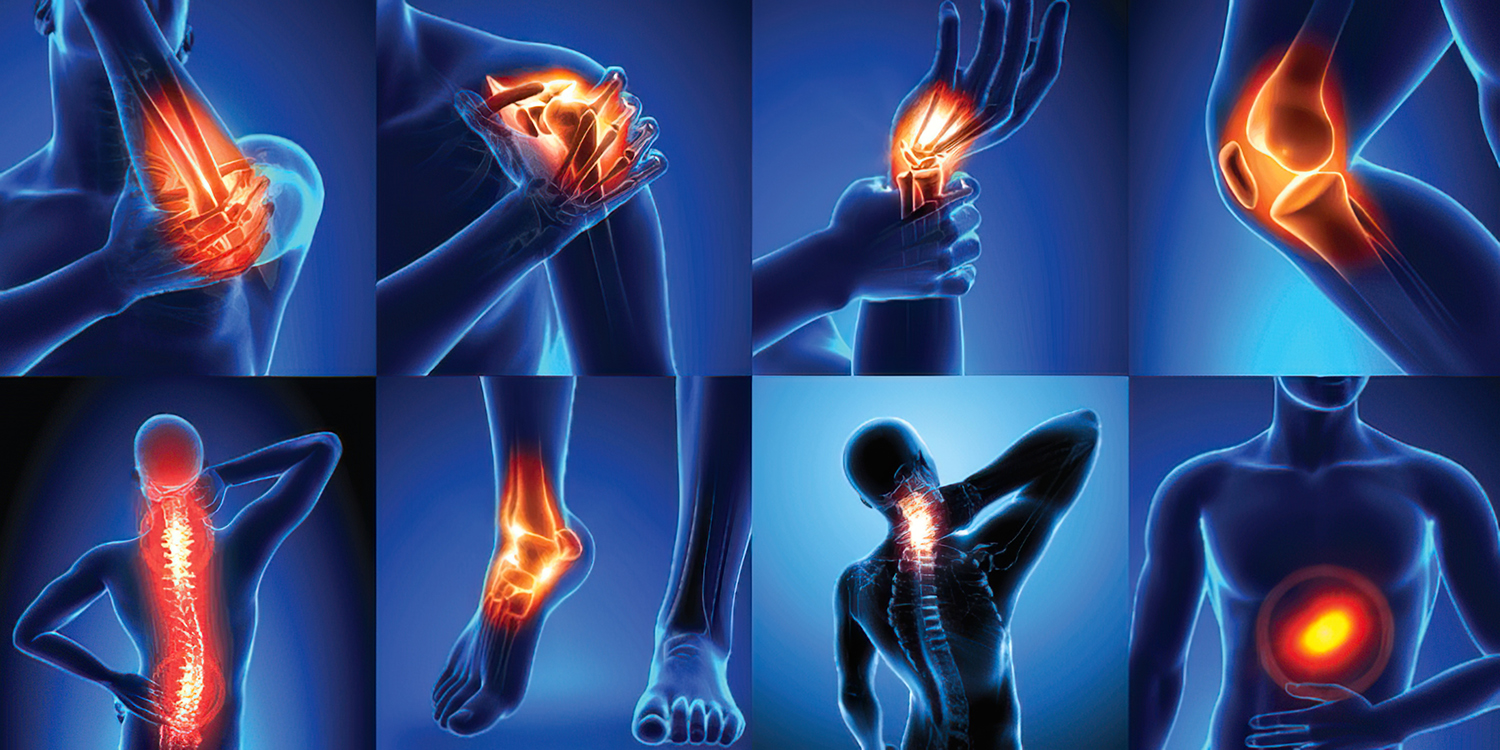
Which joints does TriMed treat?
Shoulder, elbow, wrist, hand, hip, knee, ankle and foot, alongside the spine. Our team includes a board-certified orthopedic extremities surgeon specializing in shoulder and knee injuries, so a surgical opinion can be obtained without you having to start over with a new practice.