TRIGGER POINT INJECTIONS
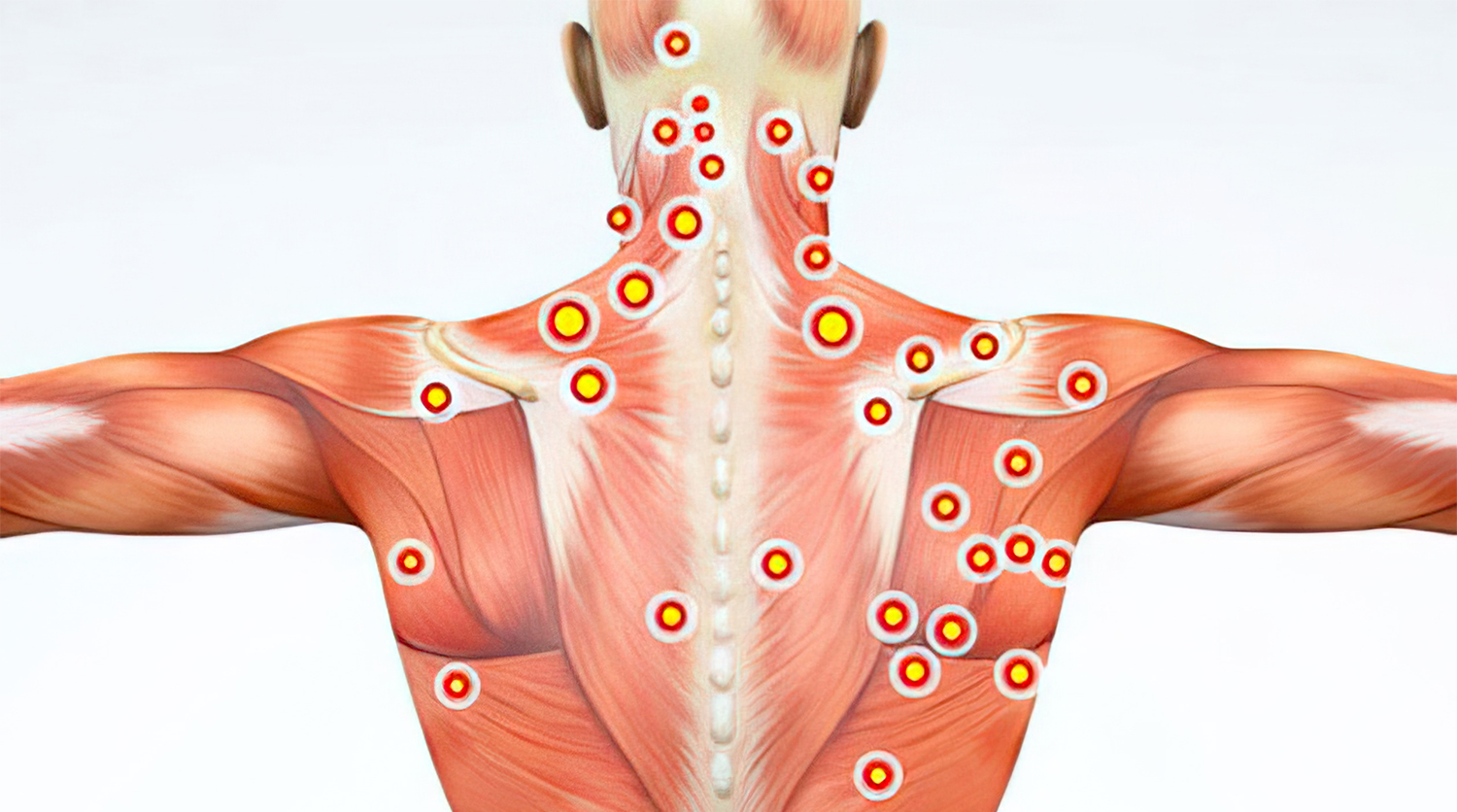


Common Questions About Trigger Point Injections
What is injected into a trigger point?
Most commonly a local anesthetic, sometimes combined with a corticosteroid where inflammation is a factor. In some cases the needle is used without any medication at all, which is known as dry needling. Which approach is used depends on the muscle involved and your own history, and is decided by the treating physician.
How long does the relief last?
This varies a great deal. Some patients get relief lasting weeks or longer, particularly where the injection is followed by stretching and strengthening of the affected muscle. Others get shorter relief, which still has value because it confirms that the muscle is a genuine source of the pain.
Do trigger point injections fix the underlying problem?
No, and they are not intended to. A trigger point is usually the consequence of something else, such as a mechanical problem in the spine, a postural demand at work or a compensating pattern after injury. The injection creates a window in which the muscle can be rehabilitated and the underlying cause addressed. Used on their own, injections tend to be repeated indefinitely.
What are the risks of a trigger point injection?
The common effects are soreness at the injection site for a day or two and occasional bruising. Less commonly there can be a brief increase in pain, or lightheadedness during the procedure. Infection is uncommon but possible with any injection. If a corticosteroid is used, repeated injections in the same area are limited because of effects on local tissue. Tell your physician if you take blood thinners.
What should I do after the injection?
Keep moving. Gentle use of the muscle and the stretching you are given afterward are what convert short-term relief into a lasting change. Heavy or provocative activity on the same day is usually best avoided, and you can use ice over the site if it is sore.