LUMBAR MICRO-DISECTOMY
What is a lumbar microdiscectomy?
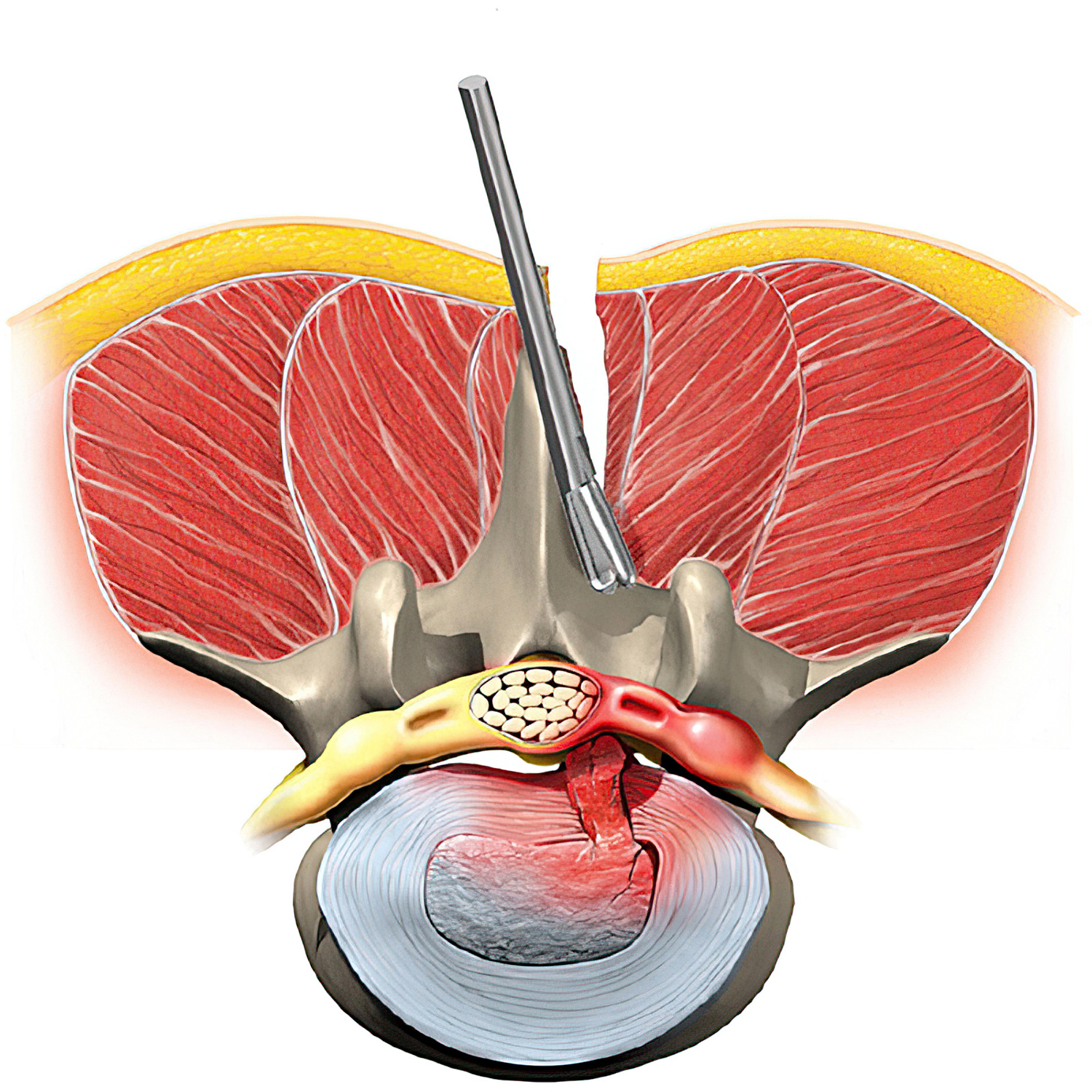
A microdiscectomy is a minimally invasive surgical option that treats herniated discs in the lumbar (lower back) region. This treatment can also relieve sciatica pain that results from pressure on the spinal nerve. The goal of surgery is to remove herniated sections of your spinal disc to relieve nerve compression and alleviate pain.
This type of procedure is a good alternative to more invasive open surgical techniques and requires a much shorter recovery period. It also reduces your risk of scarring.
Why would I need a lumbar microdiscectomy?
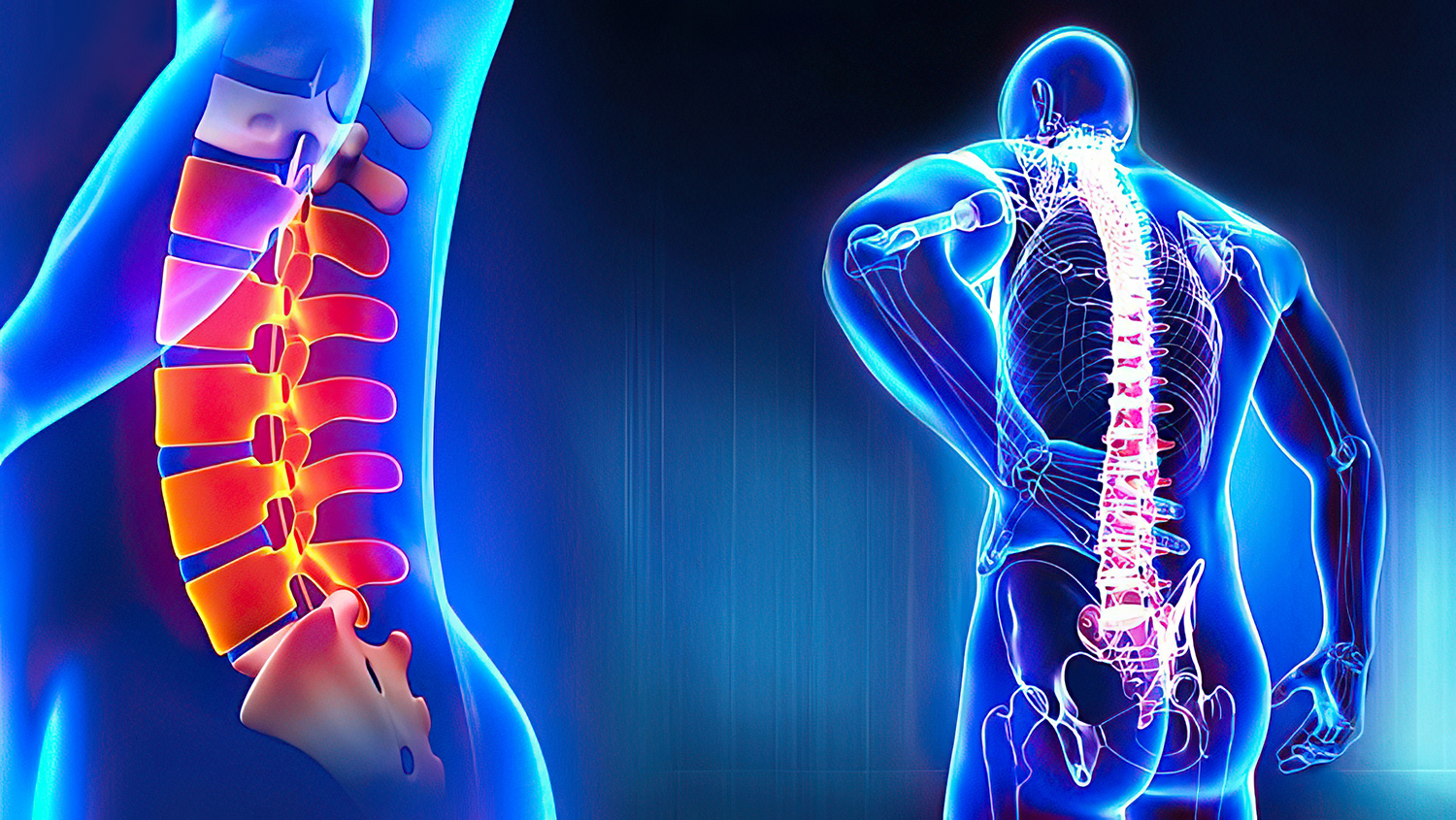
You may benefit from a microdiscectomy if you have sciatica pain or a herniated disc in your lower back that interferes with your ability to be active.
The team at TriMed Spine & Joint may recommend this type of surgery if other treatments, including physical therapy or steroid injections, aren’t enough to resolve your pain.
What happens during lumbar microdiscectomy surgery?
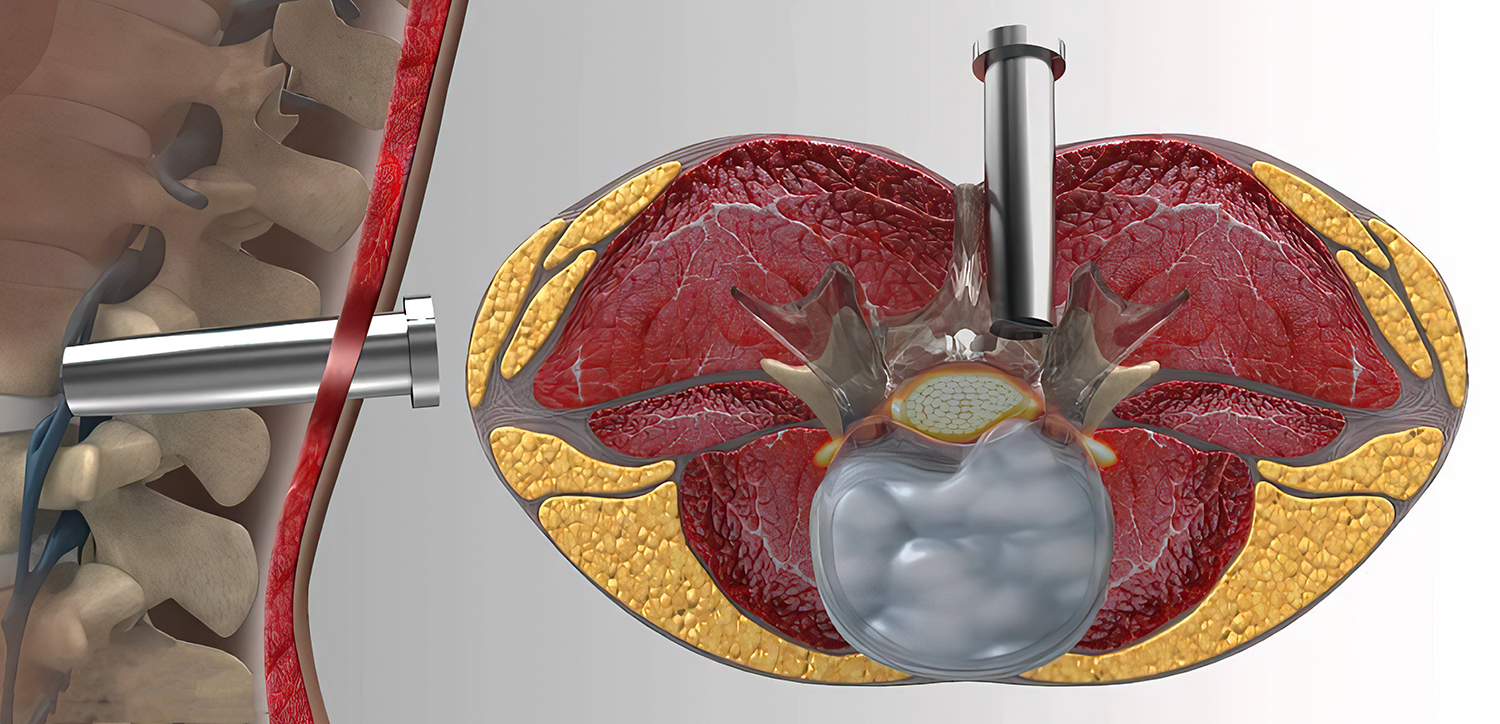
While the procedure is minimally invasive, you’ll receive general anesthesia to keep you pain-free during surgery. A small incision is made over the herniated disc. The doctor inserts a special surgical instrument that contains a lighted microscope to see the disc more clearly.
Your surgeon then removes the part of the bone which is pressing on the spinal nerves and any surrounding tissue that contributes to the compression.
Once the surgery is complete, they close your incision, and you’re sent to recover from anesthesia before you go home.
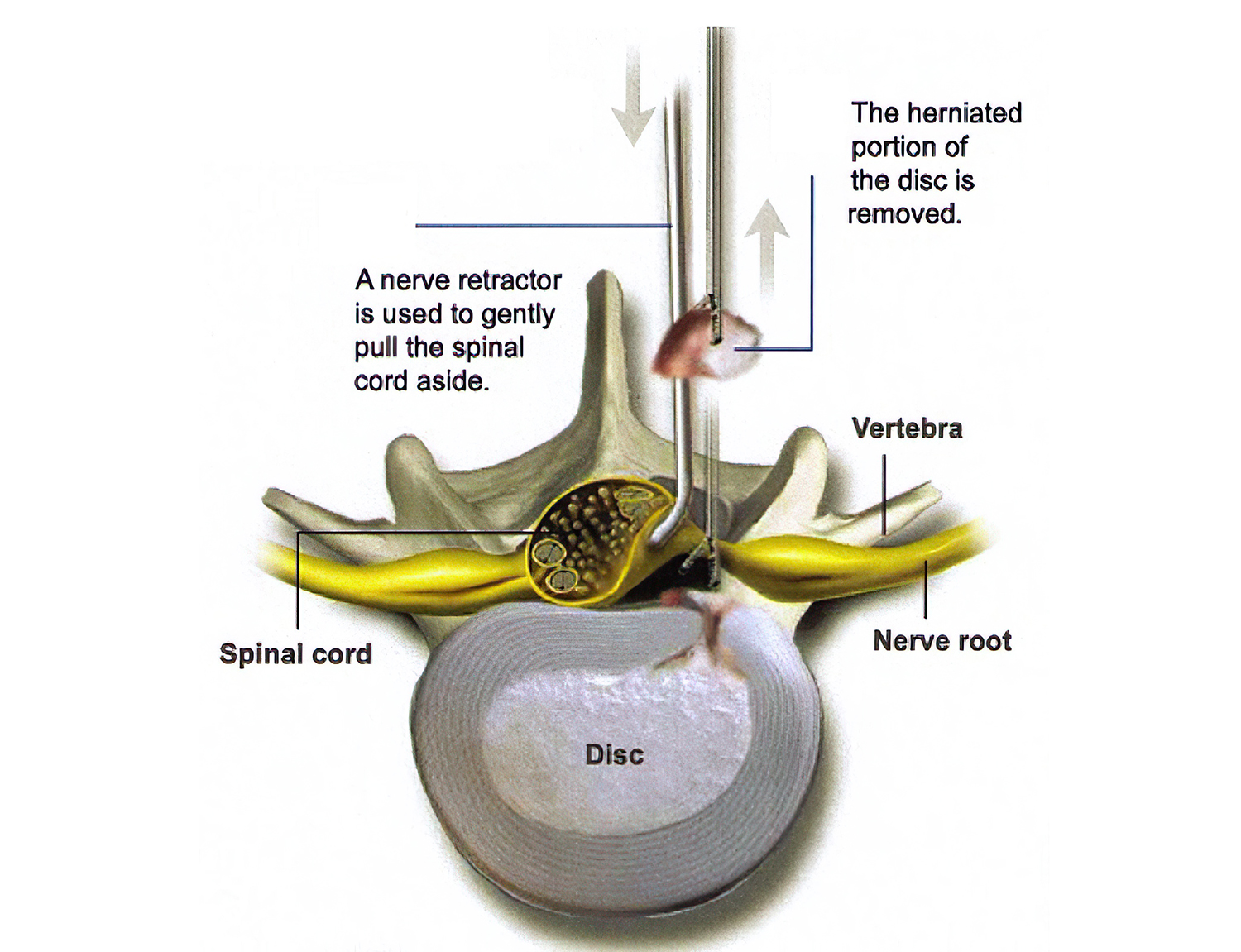
How long does it take to recover from microdiscectomy?
As part of your aftercare plan, the team at TriMed Spine & Joint provides a list of movement limitations you need to follow to prevent injury after surgery. You may be restricted from strenuous exercise, lifting, and bending for 3-4 weeks after your procedure.
The doctors carefully monitor your recovery, and at your follow-up, visit the team can recommend when it’s safe for you to return to work and other activities.
To improve your flexibility and muscle strength, you may need to undergo physical therapy after recovering from surgery.
If sciatica or herniated disc pain is keeping you down, learn more about the benefits of microdiscectomy surgery. You can schedule a consultation online or by calling TriMed Spine & Joint today.
More Questions Patients Ask
What are the risks of a lumbar microdiscectomy?
The common risks are infection, bleeding, a tear of the dural covering with a cerebrospinal fluid leak, injury to a nerve root, and recurrence of the disc herniation at the same level. Some patients also have persistent numbness or weakness that was already present before surgery. Leg pain from nerve compression tends to respond better to the procedure than back pain does, which is worth knowing before you decide.
Can a herniated disc improve without surgery?
Frequently, yes. Many lumbar disc herniations reduce in size over weeks to months and the leg pain settles with conservative care. Surgery becomes more compelling when there is progressive weakness, when pain has not responded to a reasonable course of non-surgical treatment, or when there are signs of significant nerve compression such as loss of bowel or bladder control, which is an emergency.
Will the disc herniate again?
It can. Recurrent herniation at the same level happens in a minority of patients. Reducing that risk mostly comes down to rebuilding trunk strength and hip mobility, learning to load your spine properly when lifting, avoiding prolonged flexed sitting early in recovery, and not returning to heavy work before you have been cleared.
What is tried before surgery?
Before any spinal operation is considered, we work through the non-surgical options that apply to your findings, which can include chiropractic care, orthopedic physical therapy, medication, injection-based pain management and, for appropriate disc cases, DRX9000 spinal decompression at our Boca Raton office at 307 Via De Palmas. Surgery is a reasonable next step when those measures have been given a fair trial, or when your findings make waiting the riskier choice.