MINIMALLY INVASIVE AXIAL-TLIF
Why should I consider minimally invasive Axial-TLIF surgery?
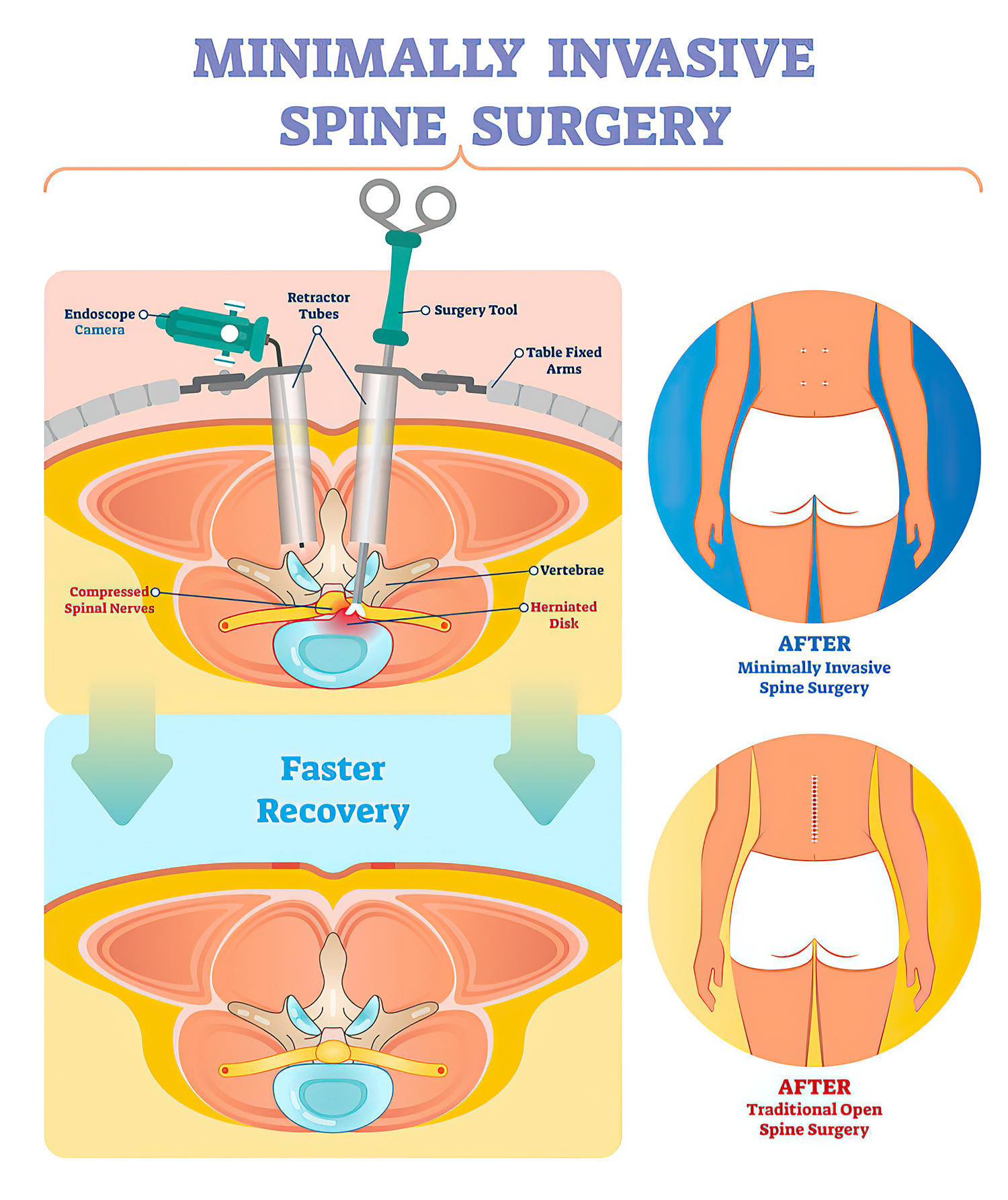
Transforaminal lumbar interbody fusion (TLIF) surgery is a minimally invasive procedure that can treat a variety of conditions that affect your spine. TLIF surgery can address issues like:
- Disc collapse
- Spinal instability
- Spinal nerve compression
Traditionally, these issues were treated using open surgical techniques, but TLIF is a minimally invasive procedure that offers many benefits for both the short term and the long term.
The team at TriMed Spine & Joint can determine if TLIF surgery is right for you after a physical examination and imaging tests. They may try other treatment options, such as physical therapy or over-the-counter medications, to relieve their pain before recommending surgery.
What is involved in Axial-TLIF surgery?
The doctors use specialized microsurgical tools to repair the affected vertebrae, accessing the treatment area through a small incision on the side of your spine. Through the incision, your surgeon inserts a dilator tool to gently separate the muscle rather than cutting it.
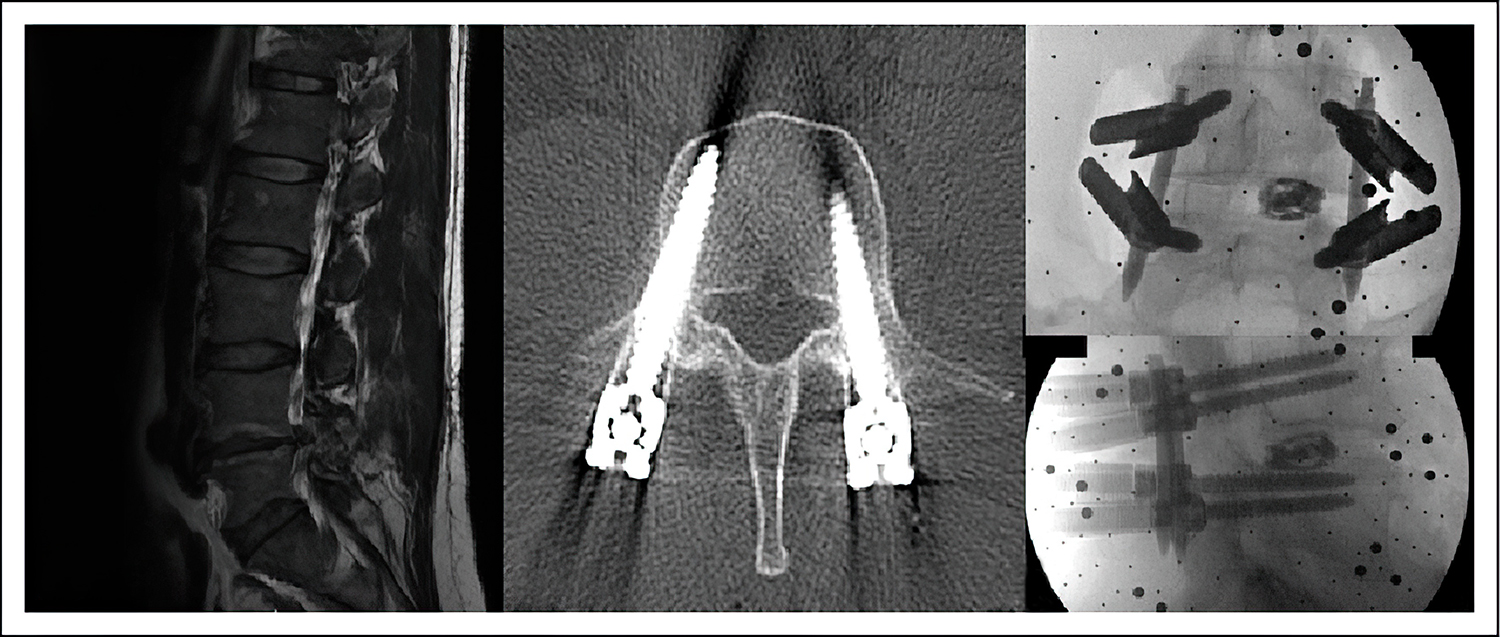
Using the small instruments, your surgeon removes the portion of damaged vertebrae and replaces it with either synthetic parts or a bone graft that will support and stabilize your spine. The procedure also releases pressure on your nerves that results from damaged vertebrae.
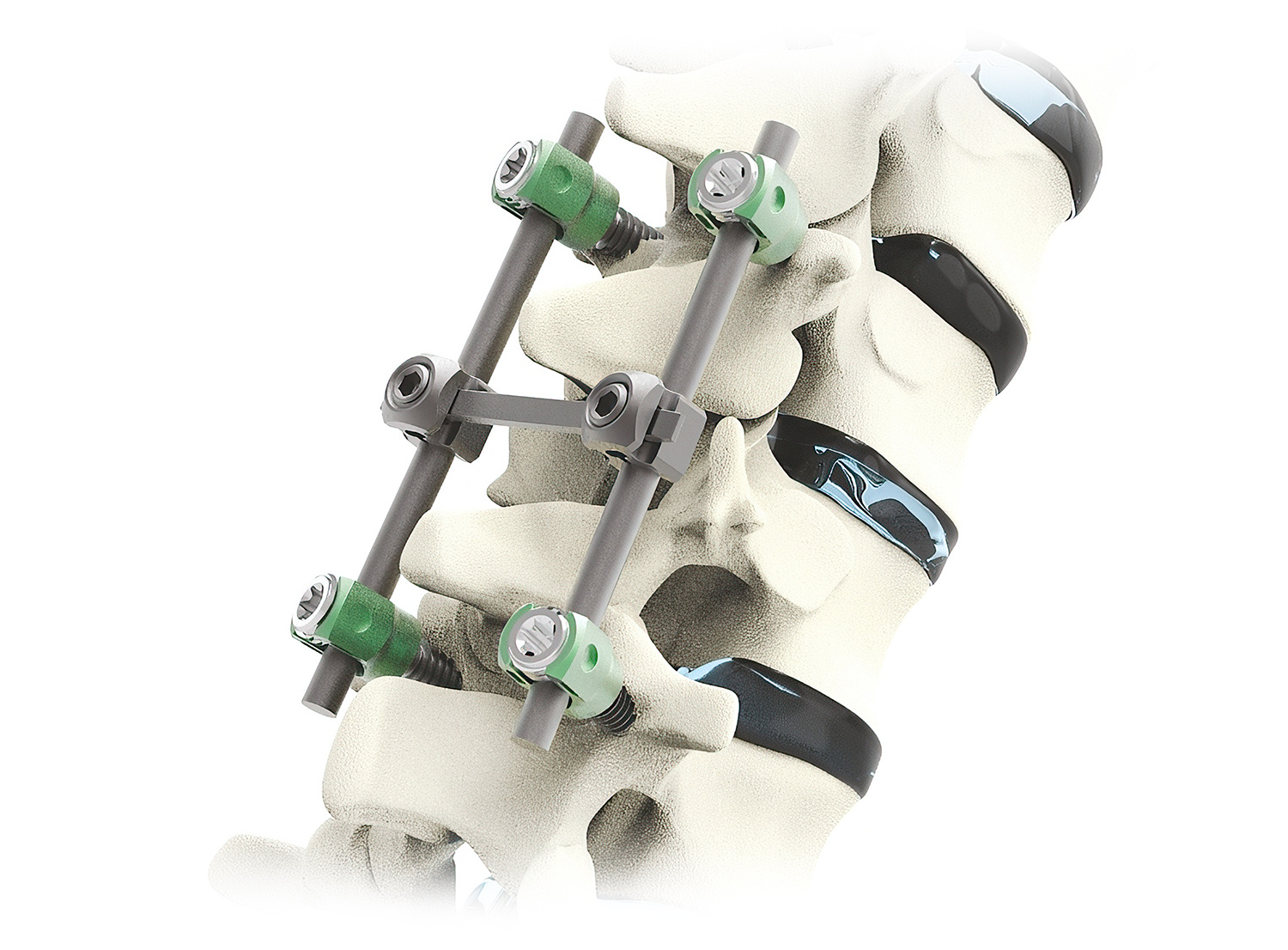
A metal plate and screws are used to keep the graft in place until it eventually fuses to your natural bone to ensure long-term results.
In many cases, you can go home following a brief period of recovery from anesthesia. You receive comprehensive aftercare instructions on caring for your incision, and you may need to limit your activities for a month or more to allow your spine to heal.
How long does it take to recover from Axial-TLIF surgery?
Because there’s no trauma to the muscles of your back and you only need a small surgical incision, you can expect to heal much faster after a minimally invasive surgery than with open surgery.
You should experience a noticeable reduction in your pain soon after surgery. You may be prescribed physical therapy to further improve flexibility and strength in the muscles that support your spine.
Find out if Axial-TLIF surgery is right for you by scheduling a consultation with the experts at TriMed Spine & Joint. Click the button to get started online or call the office today.
More Questions Patients Ask
What does the axial approach in an axial TLIF change?
A transforaminal lumbar interbody fusion places a graft into the disc space through the side of the spinal canal. The axial variation reaches the lowest disc levels through a small entry point rather than through a larger open exposure, which limits how much muscle has to be cut or retracted. Less muscle disruption generally means less postoperative pain and a shorter hospital stay, though the fusion itself still takes months to consolidate.
What are the risks?
Risks include infection, bleeding, dural tear, nerve root irritation or injury, hardware loosening or malposition, and failure of the bone to fuse, which is called nonunion. As with any fusion, the levels adjacent to the fused segment carry additional load afterward and can degenerate over time.
How long before I can return to work?
It depends heavily on the work. Desk-based work is often resumed within a few weeks, while jobs involving lifting, bending, twisting or prolonged driving usually require considerably longer and a graded return. Bone healing continues for months after you feel well, so the calendar and how you feel do not move at the same rate.
What is tried before surgery?
Before any spinal operation is considered, we work through the non-surgical options that apply to your findings, which can include chiropractic care, orthopedic physical therapy, medication, injection-based pain management and, for appropriate disc cases, DRX9000 spinal decompression at our Boca Raton office at 307 Via De Palmas. Surgery is a reasonable next step when those measures have been given a fair trial, or when your findings make waiting the riskier choice.