MINIMALLY INVASIVE XLIF
What is minimally invasive XLIF?
A collapsed disc can put extra pressure on the nerves surrounding your spinal column, causing chronic pain. Disc issues may also interfere with your mobility, making it difficult to walk or sit comfortably, especially for long periods of time.
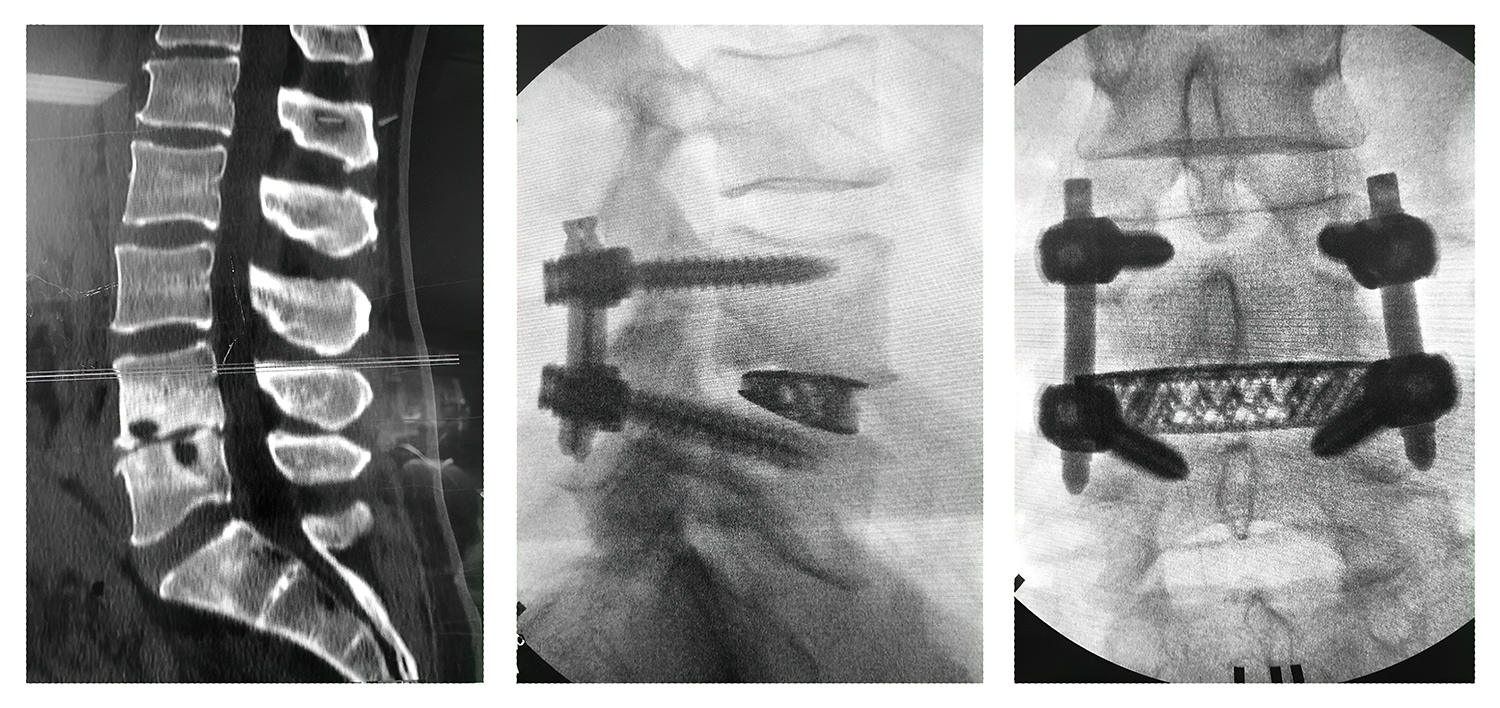
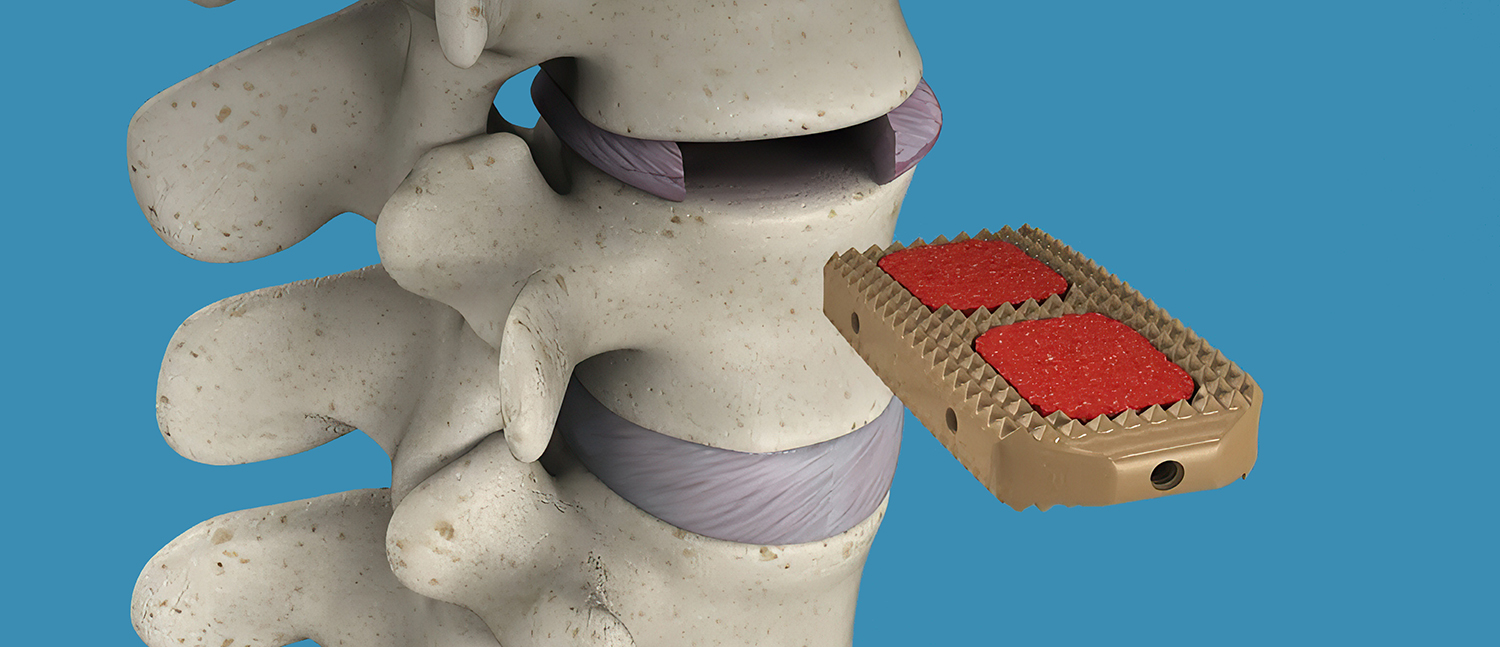
Extreme lateral interbody fusion (XLIF) is a minimally invasive surgical procedure developed to treat vertebral discs that collapse due to degenerative disease. The goal of surgery is to stabilize the spinal column by removing the affected disc and replacing it with a synthetic spacer or bone graft materials.
To access the disc, the doctors use specialized surgical techniques to access the damaged disc from the side through a small incision near the pelvis rather than through your back. This eliminates additional trauma to your back muscles and allows for a faster healing time.
The doctors also use live monitoring technology to get a better look at the surgical area and prevent additional injury to the spine, such as nerve damage.
Why might I need minimally invasive XLIF surgery?
The team at TriMed Spine & Joint may recommend XLIF surgery for a number of conditions that cause chronic pain or mobility issues when other therapies aren’t effective. These conditions may include:
Sciatica: caused by spinal nerve compression from a herniated disc, bone spurs, or a narrowing of the spinal canal
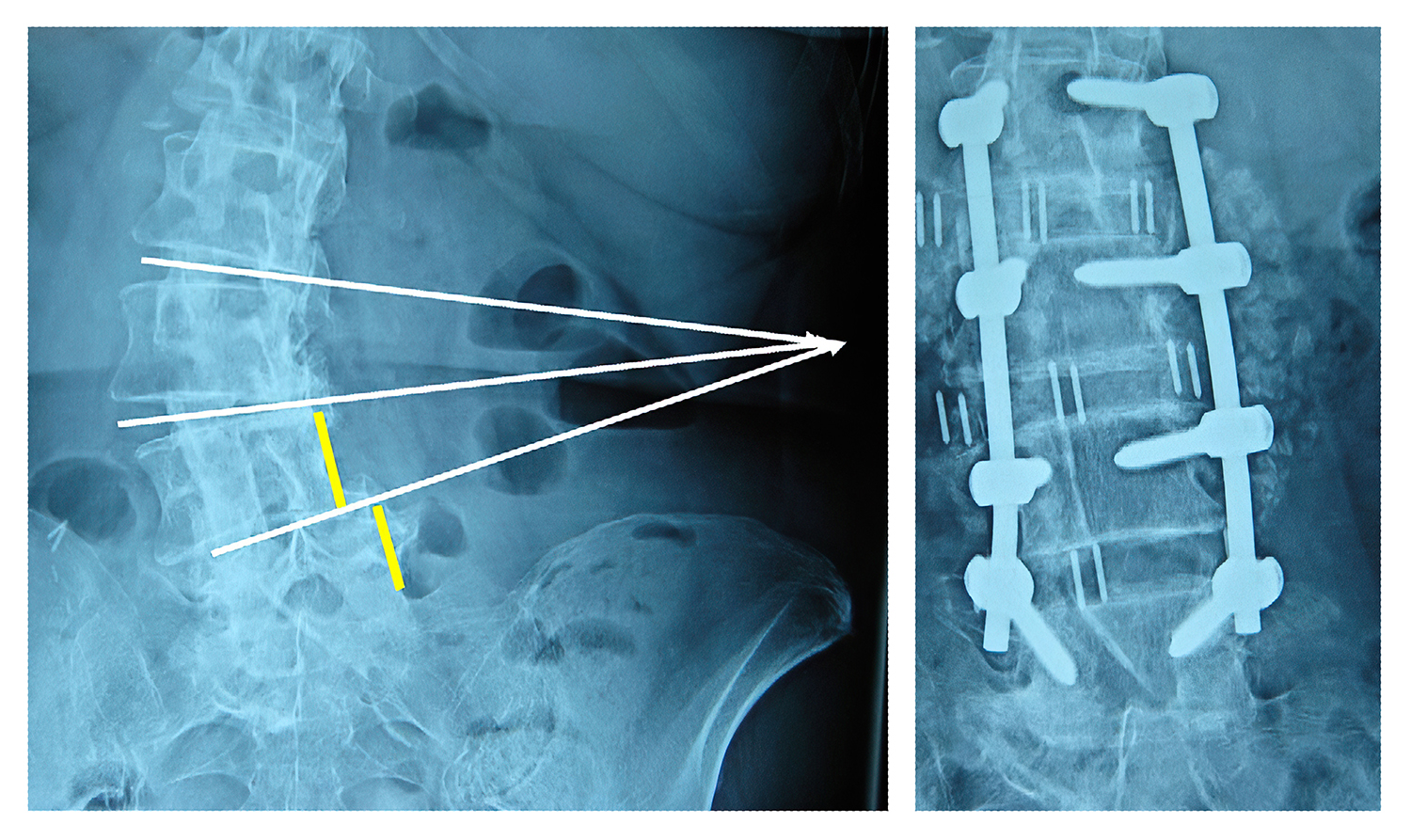
Scoliosis: abnormal curvature of the spine
Kyphosis: a deformity causing forward rounding of the back due to degenerative disease or structural abnormalities
Spondylolisthesis: occurs when one vertebra slips forward over the one below it
Your doctor evaluates your condition and may recommend other treatment options, such as epidural injections, to alleviate chronic pain from these conditions before suggesting surgery.
What are the benefits of minimally invasive XLIF surgery?
Because minimally invasive XLIF surgery addresses the root cause of your pain, surgery can significantly improve your quality of life and mobility. Using only small incisions and avoiding muscle trauma means you can enjoy a faster recovery time following XLIF surgery than with traditional open surgery.
Other benefits of the procedure include:
- Less bleeding
- Minimal scarring
- Less risk of infection
Additionally, if you need future surgeries to add more graft layers to stabilize the spine, the procedure will be much easier.
Learn more about minimally invasive XLIF surgery by calling TriMed Spine & Joint or book an appointment online today.
More Questions Patients Ask
Why is XLIF performed from the side?
Approaching the lumbar spine from the flank allows the surgeon to reach the disc space without cutting through the back muscles or entering the spinal canal from behind. That generally means less muscle trauma, less blood loss and a faster early recovery than a traditional posterior fusion.
What are the specific risks of the lateral approach?
Because the approach passes near the nerves of the thigh, the most characteristic risks are temporary thigh numbness, burning or hip flexor weakness on the side of the approach, which usually improves over weeks to months. Other risks include infection, bleeding, injury to abdominal structures, hardware problems and failure of the fusion to consolidate.
Which levels can be treated this way?
The lateral approach works well for the mid and lower lumbar levels but is generally not used at the lowest level of the lumbar spine, because the pelvis blocks the path. If your problem is at that level, your surgeon will recommend a different approach, so the choice of technique follows your anatomy rather than preference.
What is tried before surgery?
Before any spinal operation is considered, we work through the non-surgical options that apply to your findings, which can include chiropractic care, orthopedic physical therapy, medication, injection-based pain management and, for appropriate disc cases, DRX9000 spinal decompression at our Boca Raton office at 307 Via De Palmas. Surgery is a reasonable next step when those measures have been given a fair trial, or when your findings make waiting the riskier choice.