VERTEBRAL KYPHOPLASTY
What is vertebral kyphoplasty?
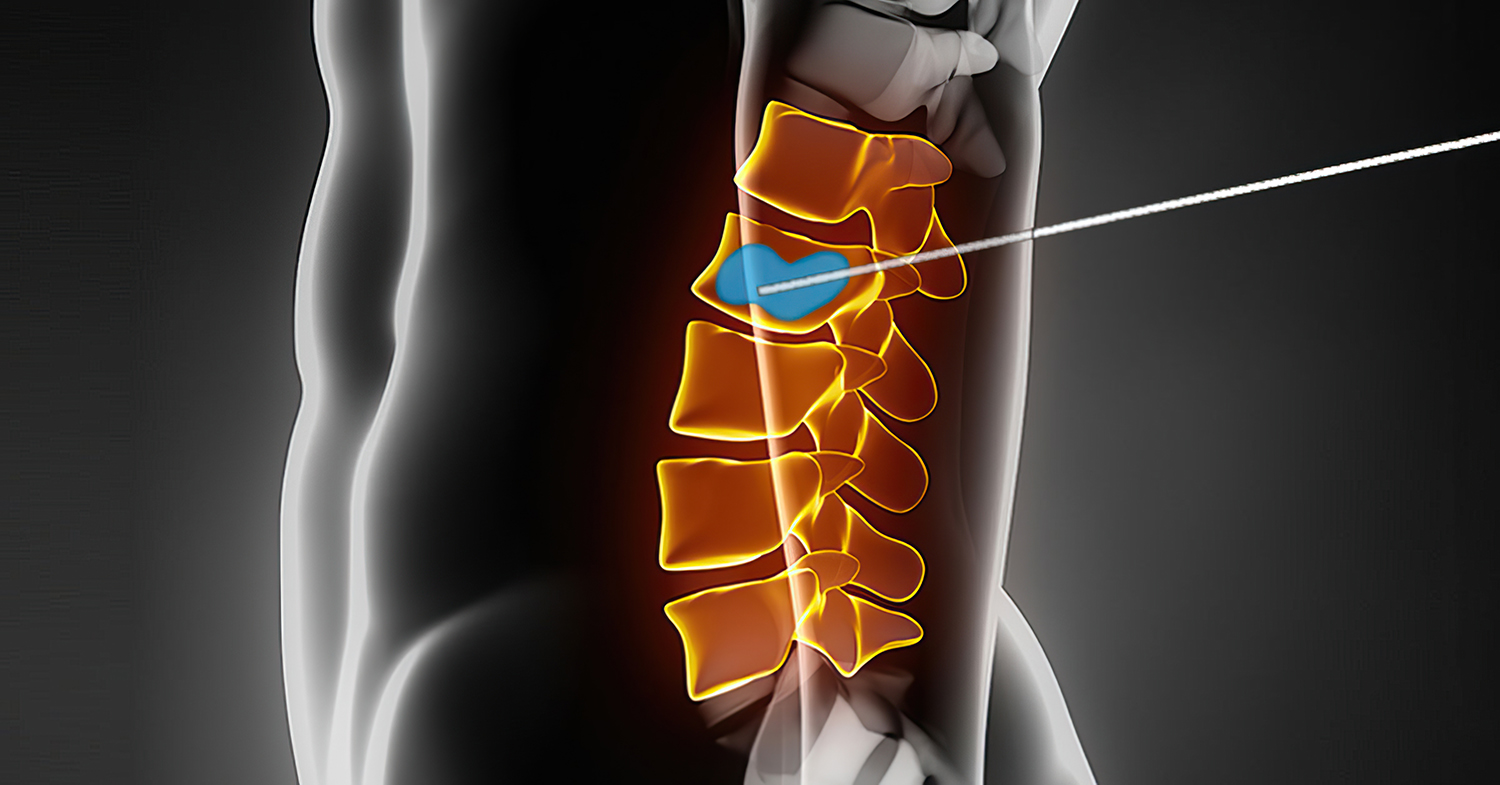
Vertebral kyphoplasty is a minimally invasive treatment option for vertebral compression fractures due to osteoporosis, a degenerative disease that weakens your bone density. Over time, the progression of untreated osteoporosis can result in painful bone fractures that can cause disability and require surgical intervention.
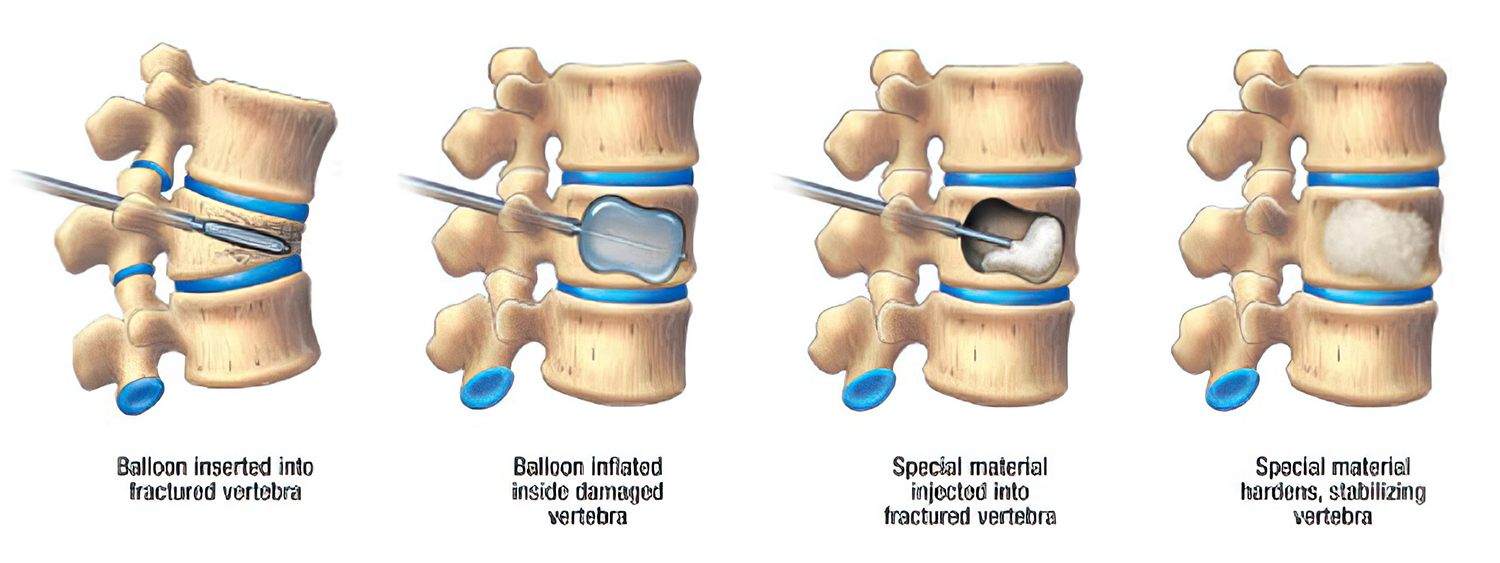
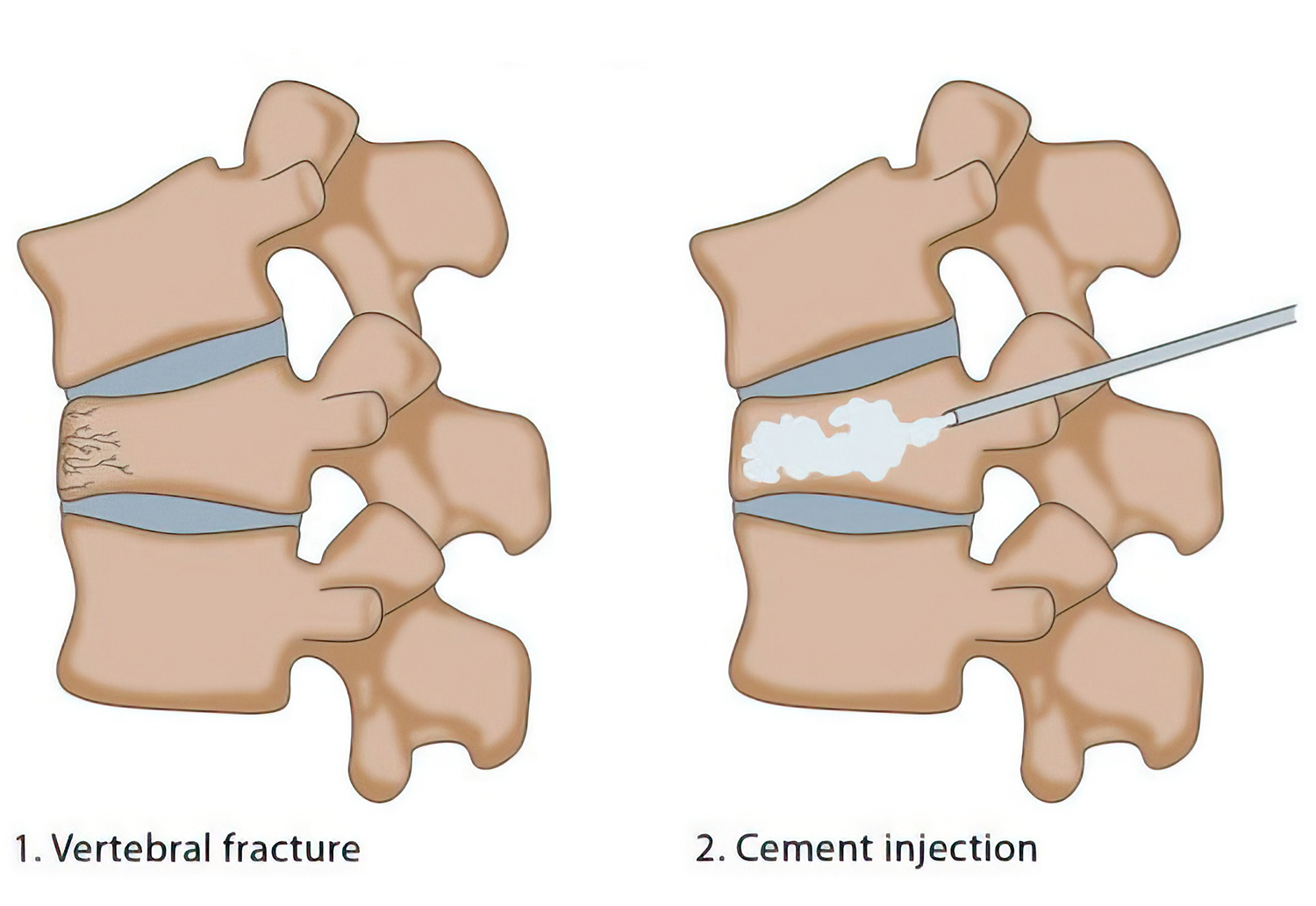
The kyphoplasty procedure involves the insertion of a balloon that expands the area of compressed bone to restore the bone to its original height. To retain the bone’s position and stability, an injection of specialized bone cement goes directly into the fracture.
What can I expect during vertebral kyphoplasty?
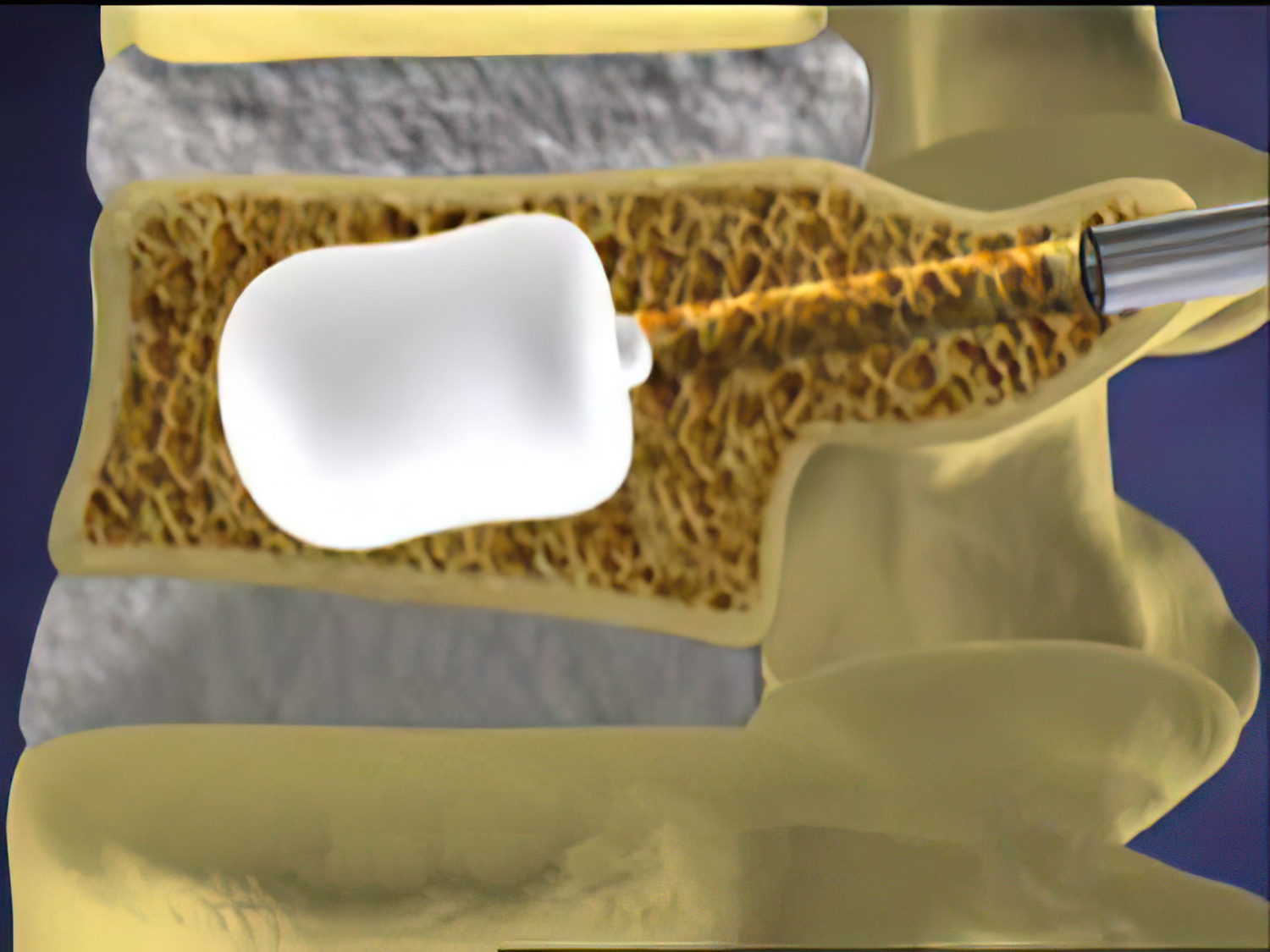
To keep you comfortable during the kyphoplasty procedure, your doctor offers either local or general anesthesia. Using imaging technology to guide two balloons into place through small incisions above the fracture, they drill small holes into the bone to secure the balloons into place.
Your doctor at TriMed Spine & Joint then inflates the balloons until the bone reaches the appropriate height. The doctor uses a small needle to inject the bone cement into the new cavity, which hardens quickly and immediately stabilizes the vertebrae.
During the procedure, a biopsy may be performed on your bone to ensure there’s no sign of cancer or another disease that contributed to the fracture.
What are the benefits of vertebral kyphoplasty?
Immediately after the procedure, you can experience a significant reduction in your back pain and enjoy the benefits of more stability in your spine. After treatment, you should be able to walk, sit, and be physically active without pain or limitations.
Kyphoplasty can also help reduce further deterioration of osteoporosis or another degenerative disease. This type of treatment effectively restores lost vertebral height and reduces your risk for spinal deformities in the future.
Other benefits of minimally invasive kyphoplasty include:
- Limited downtime
- Fast procedure time
- Minimal risk for scarring
Many people are able to return to their usual activities one or two days after treatment without any limitations.
To find out if you’re a candidate for vertebral kyphoplasty, schedule a consultation today at TriMed Spine & Joint by calling or using the online booking system.
More Questions Patients Ask
What are the risks of vertebral kyphoplasty?
It is a minimally invasive procedure, but it is still a procedure. Reported risks include bleeding and infection at the needle site, leakage of the bone cement outside the vertebral body, temporary increase in back pain, and rarely nerve irritation or a fracture at an adjacent level. Your surgeon should review these with you against the pain and disability the fracture is currently causing.
How soon after a compression fracture should kyphoplasty be done?
Timing matters. Kyphoplasty is generally most useful for relatively recent, painful fractures that have not yet consolidated, because there is still compressed bone that can be elevated. Older, healed fractures are less likely to respond. If you have sudden severe back pain and known or suspected osteoporosis, get imaged promptly rather than waiting it out.
Do I still need osteoporosis treatment after kyphoplasty?
Yes. Kyphoplasty addresses one fractured vertebra; it does not treat the underlying loss of bone density that caused it. Without medical management of the osteoporosis, including bone density monitoring and the medication, calcium, vitamin D and weight-bearing exercise your physician recommends, additional fractures at other levels remain a real possibility.
What is tried before surgery?
Before any spinal operation is considered, we work through the non-surgical options that apply to your findings, which can include chiropractic care, orthopedic physical therapy, medication, injection-based pain management and, for appropriate disc cases, DRX9000 spinal decompression at our Boca Raton office at 307 Via De Palmas. Surgery is a reasonable next step when those measures have been given a fair trial, or when your findings make waiting the riskier choice.