ANTERIOR CERVICAL DISCECTOMY AND FUSION
What is anterior cervical discectomy and fusion?
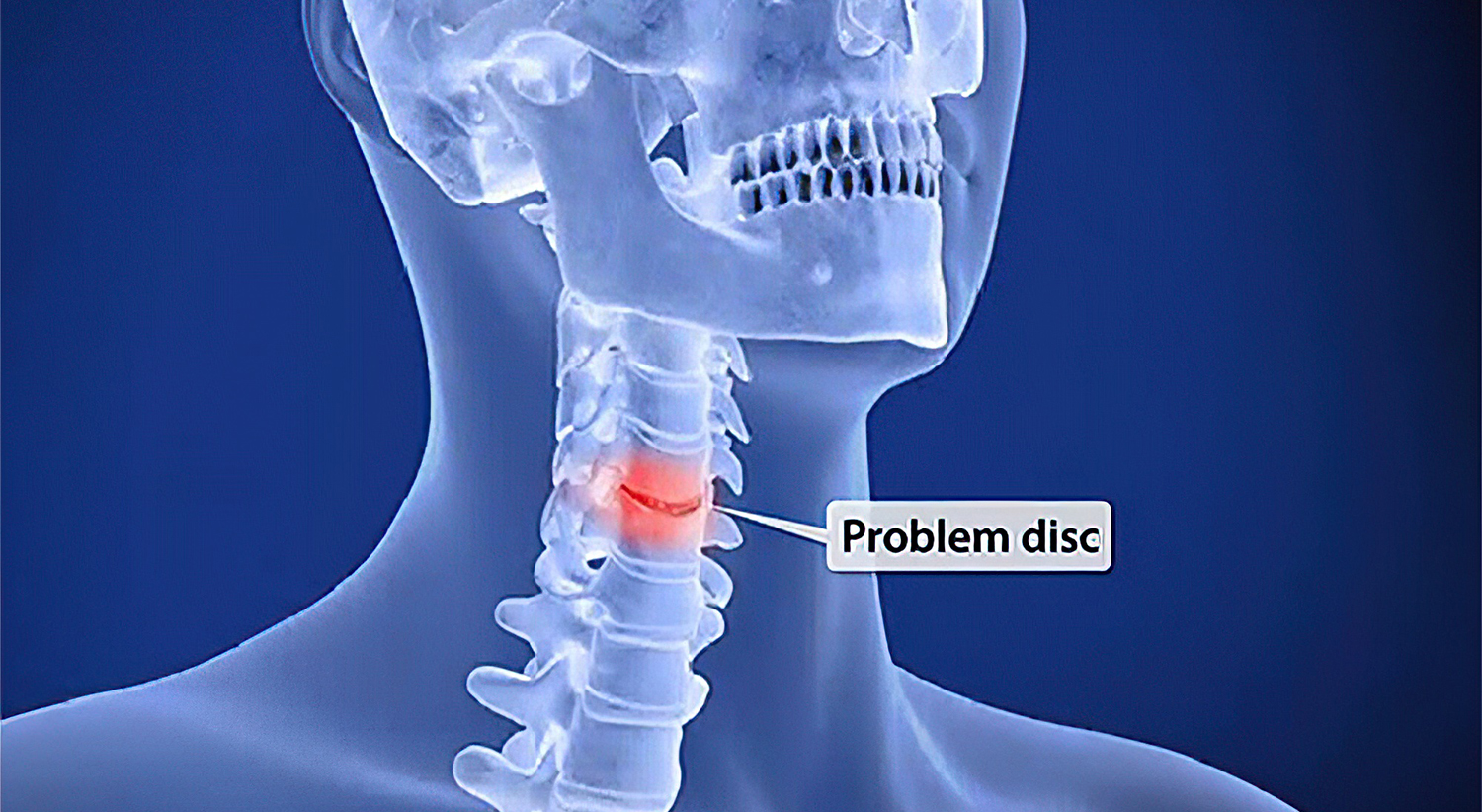
Anterior cervical discectomy and fusion (ACDF) is a surgical procedure that involves the removal of a damaged or diseased spinal disc resulting from a disc herniation or a degenerative condition, such as stenosis.
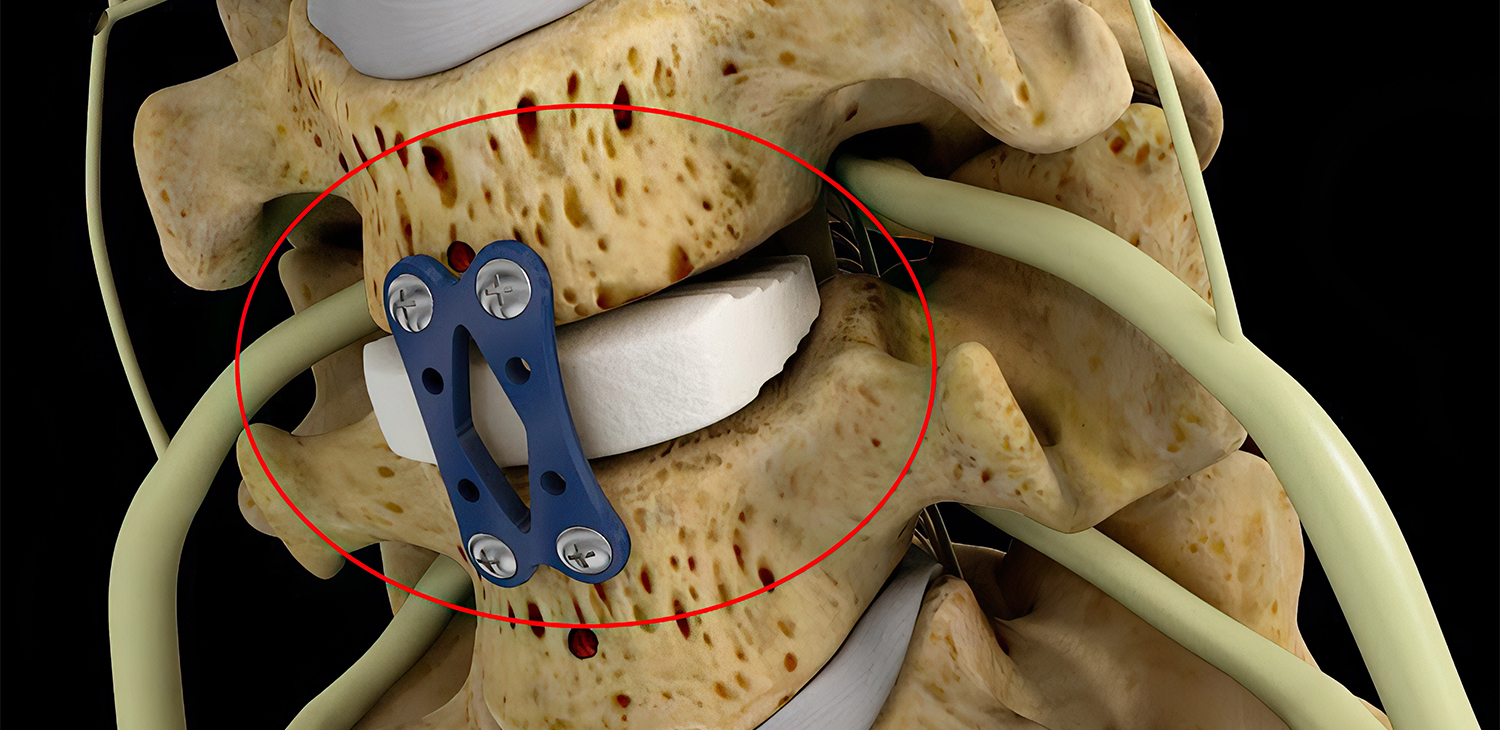
During the procedure, your doctor performs a discectomy to remove the affected disc. A graft of bone is taken from another area of your body to replace the damaged disc and stabilize your spine.
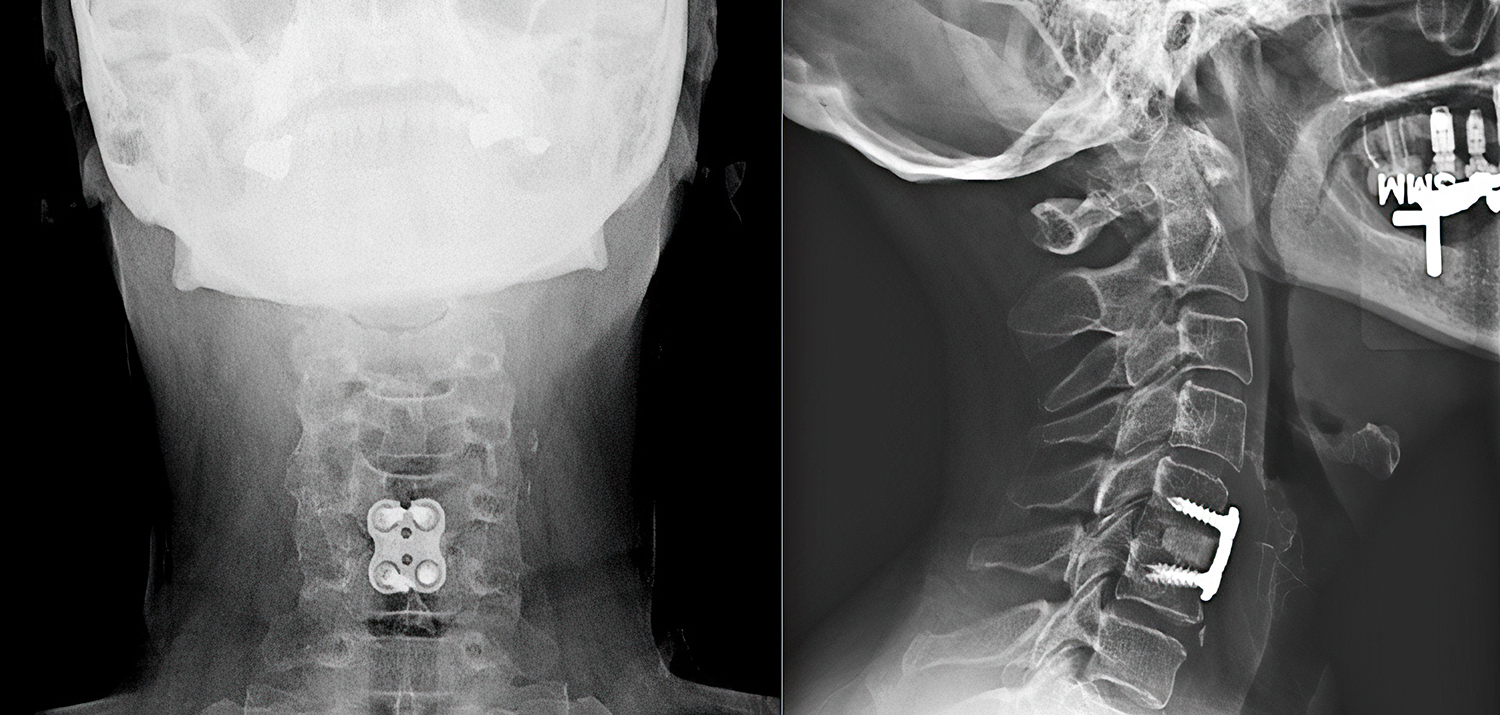
Metal plates and screws hold the graft into place until your bones fuse together into one solid bone over time, a natural process known as fusion.
Why would I need an anterior cervical discectomy and fusion?
The team at TriMed Spine & Joint may recommend this type of surgery if you have chronic pain from a bulging or herniated disc in your spinal column. You may also benefit from ACDF surgery if you develop bone spurs from degenerative conditions that cause radiating pain in your arms and legs.
Typically, surgical options for treating these conditions are the last resort. If you try other therapies, such as anti-inflammatory medications, physical therapy, or epidural steroid injections without success, ACDF surgery may be the best way to find long-term pain relief.
What is involved in anterior cervical discectomy and fusion surgery?
To keep you comfortable and pain-free during ACDF surgery, you receive general anesthesia. Your surgeon makes an incision at the front of your neck to access and remove your cervical disc. Once the disc is out, they can address any areas of compressed nerves before attaching the bone graft to the disc space. Your bone is held into place with a metal plate and screws to provide instant stability in your spine.
Following the procedure, you need to recover from anesthesia before you can go home. In some cases, staying overnight in the hospital is necessary to observe your overall health. The team at TriMed Spine & Joint can discuss what to expect during your consultation to help you prepare for surgery.
You can expect to feel a significant reduction in neck pain and radiating pain following surgery and a brief recovery period.
To find long-term relief from cervical pain due to a bulging or herniated disc, schedule a consultation for ACDF surgery today online or by phone.
More Questions Patients Ask
What are the risks of anterior cervical discectomy and fusion?
Because the approach is through the front of the neck, the specific risks include hoarseness from irritation of the nerve to the voice box, difficulty swallowing that is usually temporary, and rarely injury to the esophagus or major vessels. General surgical risks include infection and bleeding. Longer term, the fused level does not move, which places additional demand on the levels above and below and can lead to adjacent segment degeneration over years.
Will fusion limit how much I can move my neck?
Each fused level permanently loses its own motion. With a single level, most patients do not notice a meaningful restriction because the remaining levels compensate. With multiple levels fused, the loss of overall rotation and bending becomes more apparent. This is one of the main trade-offs to discuss before agreeing to a multi-level fusion.
How long does recovery take?
Most patients are up and walking the same or next day and wear a soft collar for a short period if the surgeon requests it. Neck soreness and swallowing discomfort usually improve over the first few weeks. Bone fusion itself continues for several months, which is why heavy lifting, contact activity and smoking are restricted during that window. Smoking in particular reduces the likelihood of a solid fusion.
What is tried before surgery?
Before any spinal operation is considered, we work through the non-surgical options that apply to your findings, which can include chiropractic care, orthopedic physical therapy, medication, injection-based pain management and, for appropriate disc cases, DRX9000 spinal decompression at our Boca Raton office at 307 Via De Palmas. Surgery is a reasonable next step when those measures have been given a fair trial, or when your findings make waiting the riskier choice.